
Best Lewitt Microphones for Recording and Live Performance
Lewitt microphones are engineered in Austria and compete with brands costing far more. A guide to the whole range – studio condensers, live handhelds and drum microphones – and where to start.
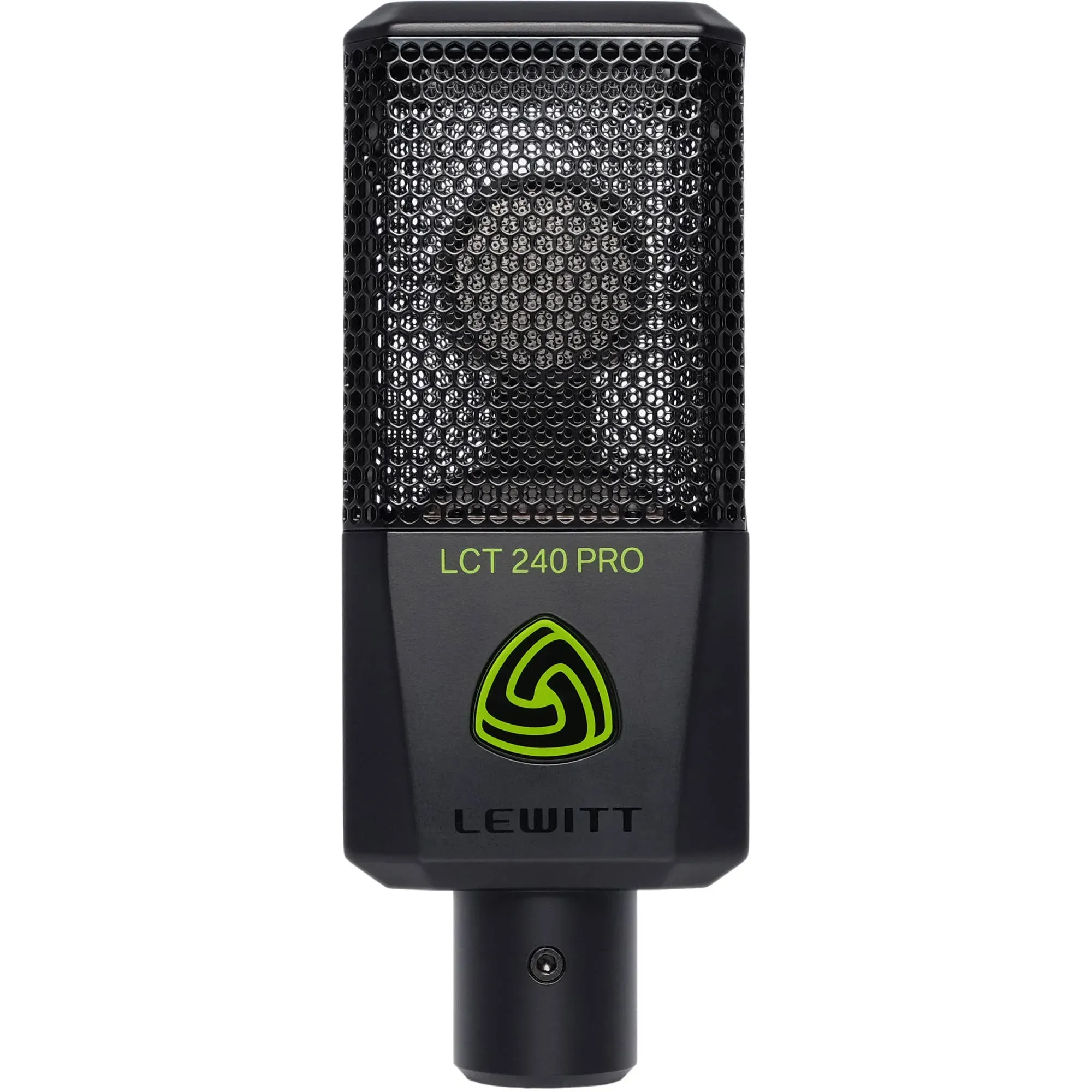
Lewitt is the microphone brand that most people have not tried and almost everyone who does try keeps. Engineered in Austria, they compete directly with names that cost considerably more. Here is the range, and what each microphone is actually for.
Studio condensers
The LCT line is where Lewitt built its reputation.
- LCT 1040 - the flagship. A tube and FET circuit in one body, blendable continuously from a remote control. One microphone that covers vocals, instruments and room duties. If you can only buy one serious microphone, this is it.
- LCT 940 - a tube and FET condenser with multiple polar patterns and a variable blend control. The studio vocal microphone that also works on anything else.
- LCT 640 TS - the dual-output-mode condenser. It can change its polar pattern after recording, which rescues takes you would otherwise have to redo.
- LCT 540 S - the detail microphone. Self-noise so low it sits below the threshold of hearing, which makes it the choice for quiet sources and heavy compression.
- LCT 240 Pro - the workhorse. It handles high sound pressure levels, so it takes close-miked drums and cranked amps as happily as a quiet vocal. The best first condenser microphone in the range.
Small-diaphragm condensers
- LCT 140 AIR - an instrument microphone with a switchable AIR setting that adds top-end sparkle, or FLAT for an honest reproduction. Acoustic guitar, hi-hat, strings.
- LCT 040 MATCH - the compact instrument microphone for acoustic guitar and drums, where fast transients matter.
Live microphones
Lewitt's handheld range is genuinely competitive with the established stage standards:
- MTP 5 - a dynamic vocal microphone with a cupping-safe design and a capsule tuned to cut through a live mix.
- MTP 250 DM - the straightforward dynamic vocal microphone with a tailored response for the stage.
- MTP 840 DM - a supercardioid performance microphone with a switchable high-pass filter and a built-in amplifier for distant sources. More flexible than a typical handheld.
- MTP W950 - a true condenser handheld with a detachable capsule that works with most wireless systems. Studio detail on stage.
Drum microphones
- DTP 640 REX - a dual-capsule kick drum microphone with both dynamic and condenser elements and a Y-cable so you can record them separately. The best kick drum microphone most people have never heard of.
- DTP 340 TT - a dynamic instrument microphone for toms, snare and guitar cabs, with a supercardioid pattern for isolation.
- BEATKIT - a four-piece drum microphone set, the sensible way to mic a kit without buying individual microphones.
Where to start
If you are building a first studio, buy an LCT 240 Pro for vocals and instruments, an LCT 140 AIR for acoustic guitar and drums, and a BEATKIT if you record a full kit. That covers the vast majority of sessions.
If vocals are the priority and budget allows, go straight to the LCT 1040 or LCT 940. Neither is a purchase you would outgrow.
Shop Lewitt microphones at OneStopMusic
- Lewitt LCT 1040 Large-Diaphragm Tube Condenser Microphone
- Lewitt LCT 940 Tube Condenser Microphone
- Lewitt LCT 540 S Condenser Microphone
- Lewitt LCT 240 Pro Cardioid Condenser Microphone
- Lewitt LCT 140 AIR Small Diaphragm Condenser
- Lewitt DTP 640 REX Dual-Capsule Bass Drum Microphone
- Lewitt BEATKIT 4-Piece Drum Microphone Set
Browse the full range of Lewitt products.
Related Articles & Videos
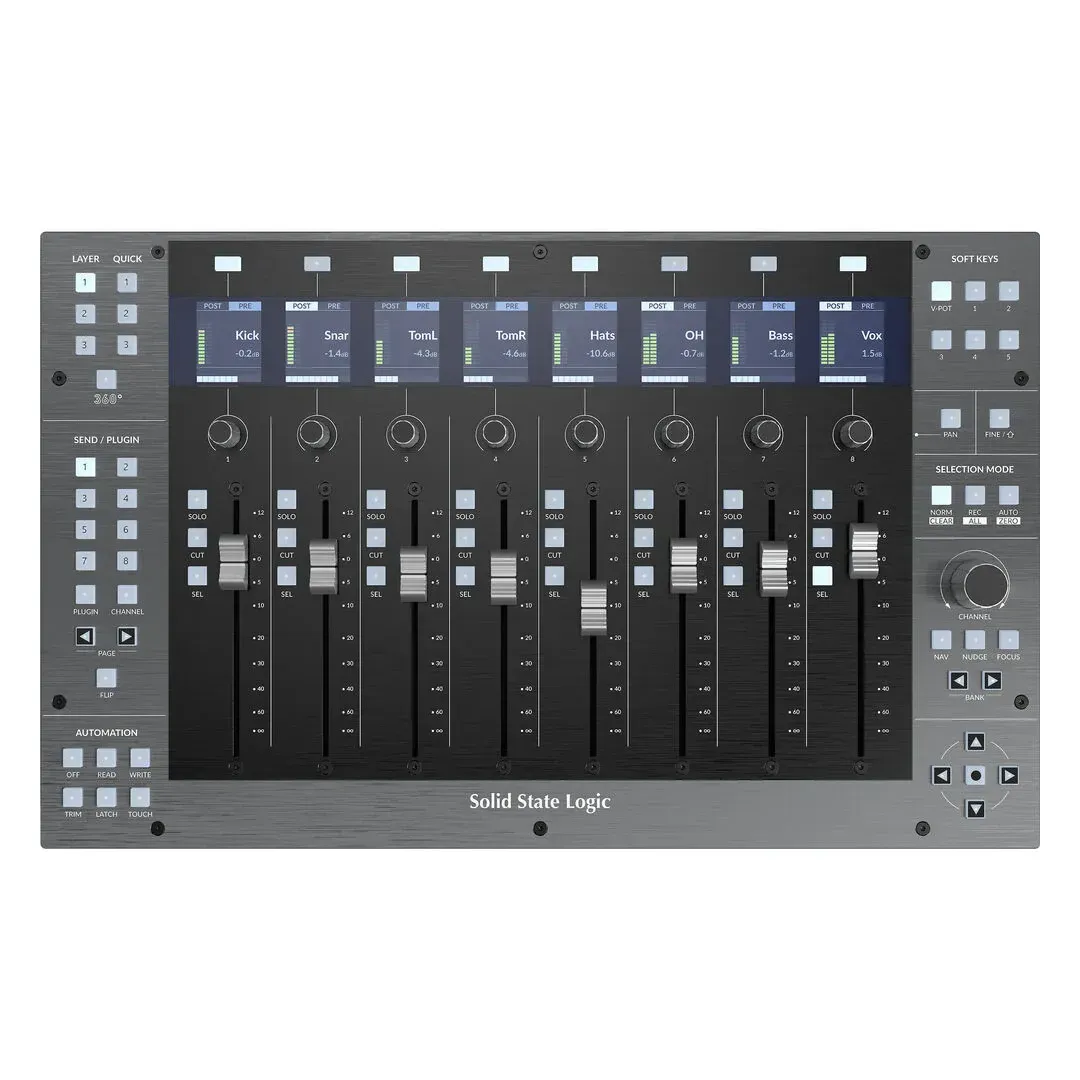
The SSL UF8 and UC1 bring console-style tactile control to your DAW. Here is how to build a professional mixing workflow with SSL's DAW controllers, and how the UF1 fits in.
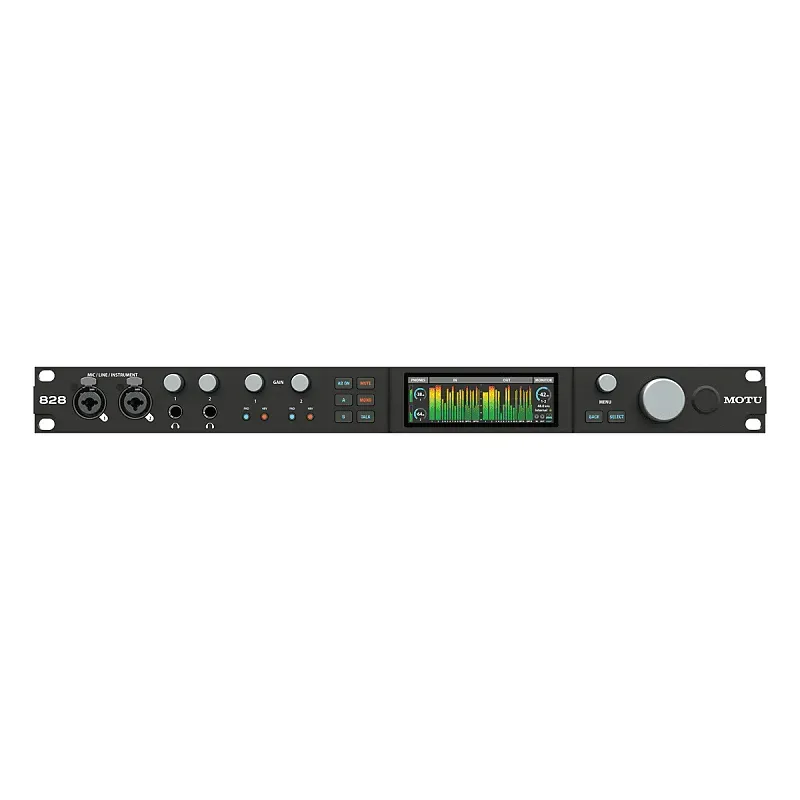
The MOTU 828 and UltraLite Mk5 both offer serious I/O for the money. We compare them, and place the M2, M4, M6, 8pre-es and 16A in the range, so you can pick the right one.
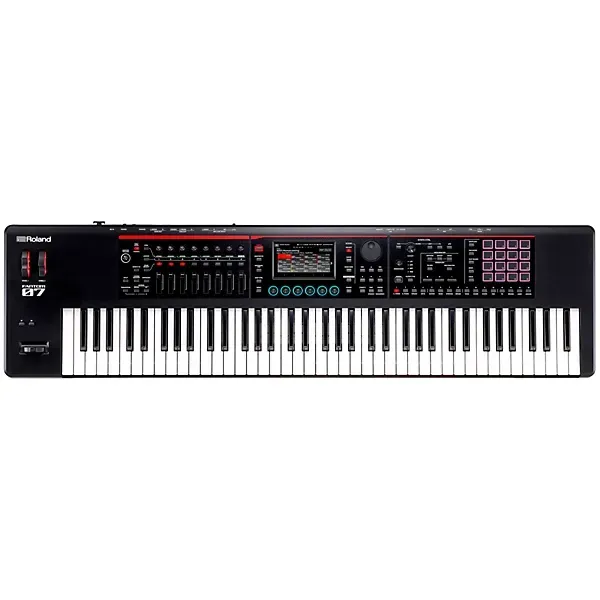
The Roland FANTOM-07 puts a deep synthesis engine, fast touchscreen workflow and real DAW integration into a 76-key instrument. Here is how it holds up, and how to choose between the FANTOM-06, 07 and 08.