
MOTU 828 vs UltraLite Mk5: Which MOTU Interface Is Right for You?
The MOTU 828 and UltraLite Mk5 both offer serious I/O for the money. We compare them, and place the M2, M4, M6, 8pre-es and 16A in the range, so you can pick the right one.
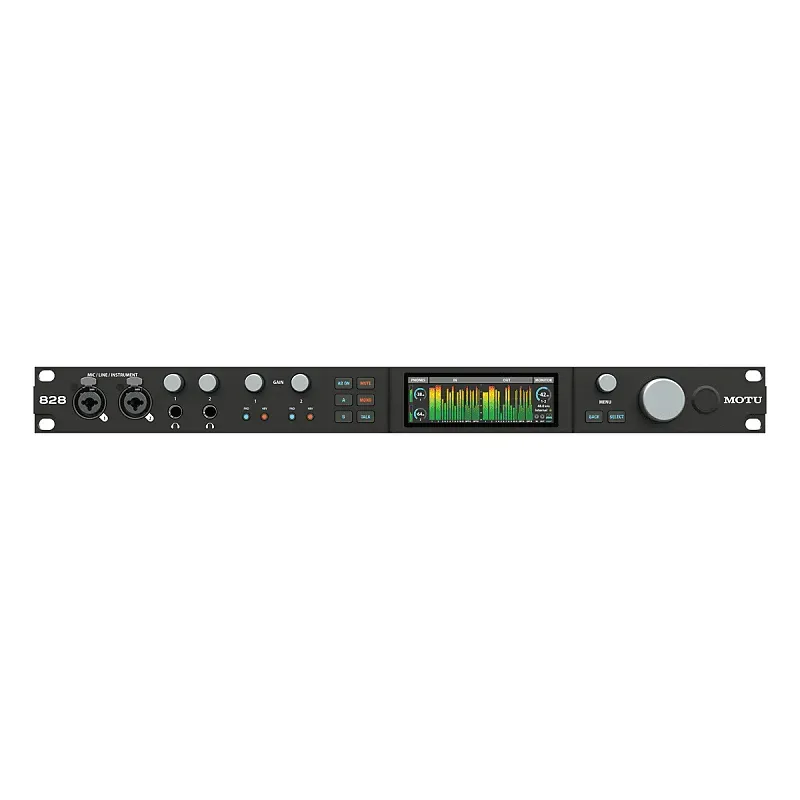
MOTU has quietly built a reputation for interfaces with serious I/O at prices that undercut the obvious names. The 828 and the UltraLite Mk5 are the two most interesting in the range, and they suit different jobs. Here is how to choose.
The MOTU 828: the studio centrepiece
The 828 is a 28 in / 32 out USB interface built for a studio where lots of things are plugged in permanently. It is a rack unit with a large number of analogue inputs and outputs, ADAT expansion, and the kind of routing flexibility you need when you are running outboard gear, a patchbay and multiple sets of monitors.
If you have outboard compressors, a summing mixer or a synth collection that stays connected, the 828 means you stop swapping cables. That alone justifies it in a working room.
The MOTU UltraLite Mk5: the portable workhorse
The UltraLite Mk5 has been the default recommendation for years for one good reason: it gives you a genuinely useful amount of I/O in something you can carry.
- A large number of analogue ins and outs in a half-rack box
- Line, instrument and mic inputs on the same channels
- ADAT expansion if you need more channels later
- Onboard DSP for mixing and monitoring without touching the computer
- Standalone operation, so it can work as a monitor mixer with no computer attached
That last point is easy to underestimate. The UltraLite can sit in a rack and manage monitoring for you, which means you can turn the computer off and still use the room.
Which one to buy
Buy the 828 if it lives in a rack, you need maximum channel count, and you want a large fixed number of analogue connections.
Buy the UltraLite Mk5 if you need flexibility, portability, and a smaller physical footprint without giving up real I/O.
Where the rest of the range fits
- M2 and M4 - the entry models. Small, simple, and excellent value for a first interface.
- M6 - the step up from the M4, with more I/O for a small studio.
- 8pre-es - eight mic preamps in a rack, ideal for tracking drums or a full band.
- 16A - high channel count with Thunderbolt and AVB networking.
Why MOTU
The strongest argument for MOTU is the routing and DSP. The mixer software is powerful enough to handle monitor mixes, cue sends and complex signal routing without a DAW open, which is unusual at these prices. If you run a studio rather than a single workstation, that matters.
Shop MOTU interfaces at OneStopMusic
- MOTU 828 28 x 32 USB 3.0 Audio Interface
- MOTU UltraLite Mk5 Audio Interface
- MOTU 8pre-es Audio Interface
- MOTU M6 6x4 USB-C Audio Interface
- MOTU M4 4x4 USB-C Audio Interface
- MOTU M2 2x2 USB-C Audio Interface
Browse the full range of MOTU products.
Related Articles & Videos
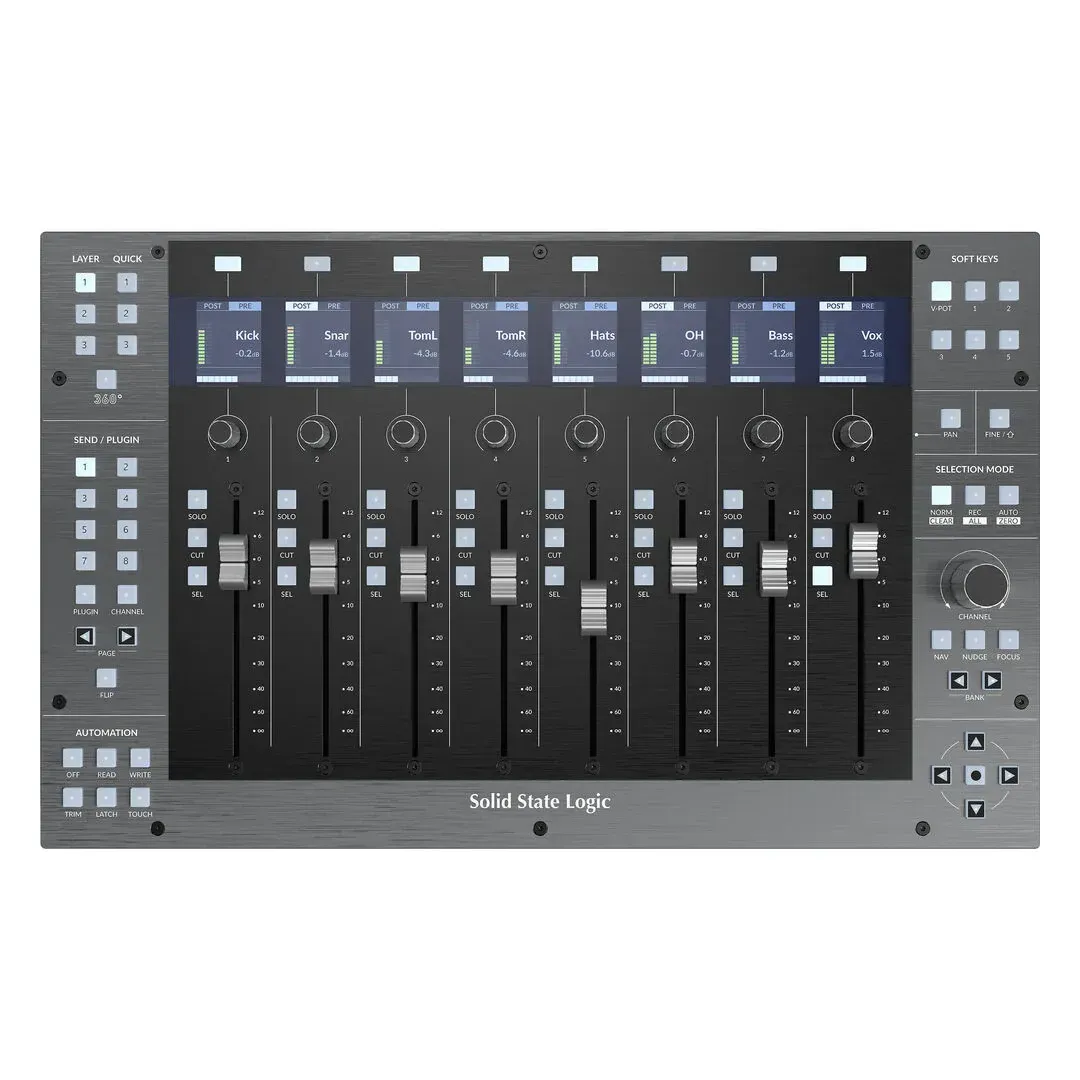
The SSL UF8 and UC1 bring console-style tactile control to your DAW. Here is how to build a professional mixing workflow with SSL's DAW controllers, and how the UF1 fits in.
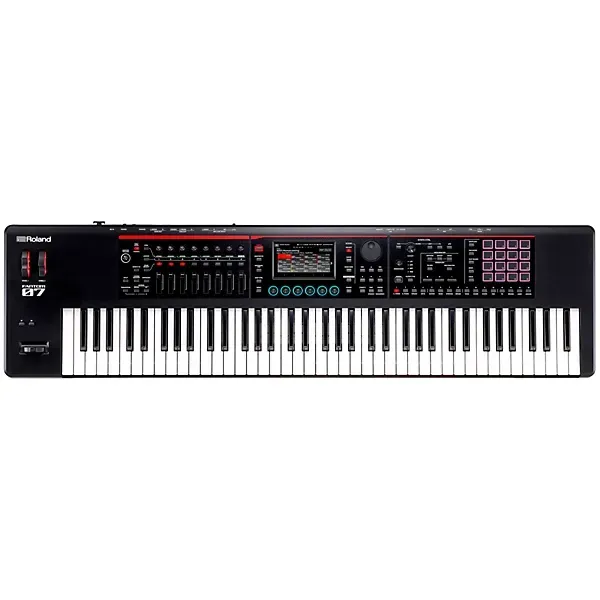
The Roland FANTOM-07 puts a deep synthesis engine, fast touchscreen workflow and real DAW integration into a 76-key instrument. Here is how it holds up, and how to choose between the FANTOM-06, 07 and 08.
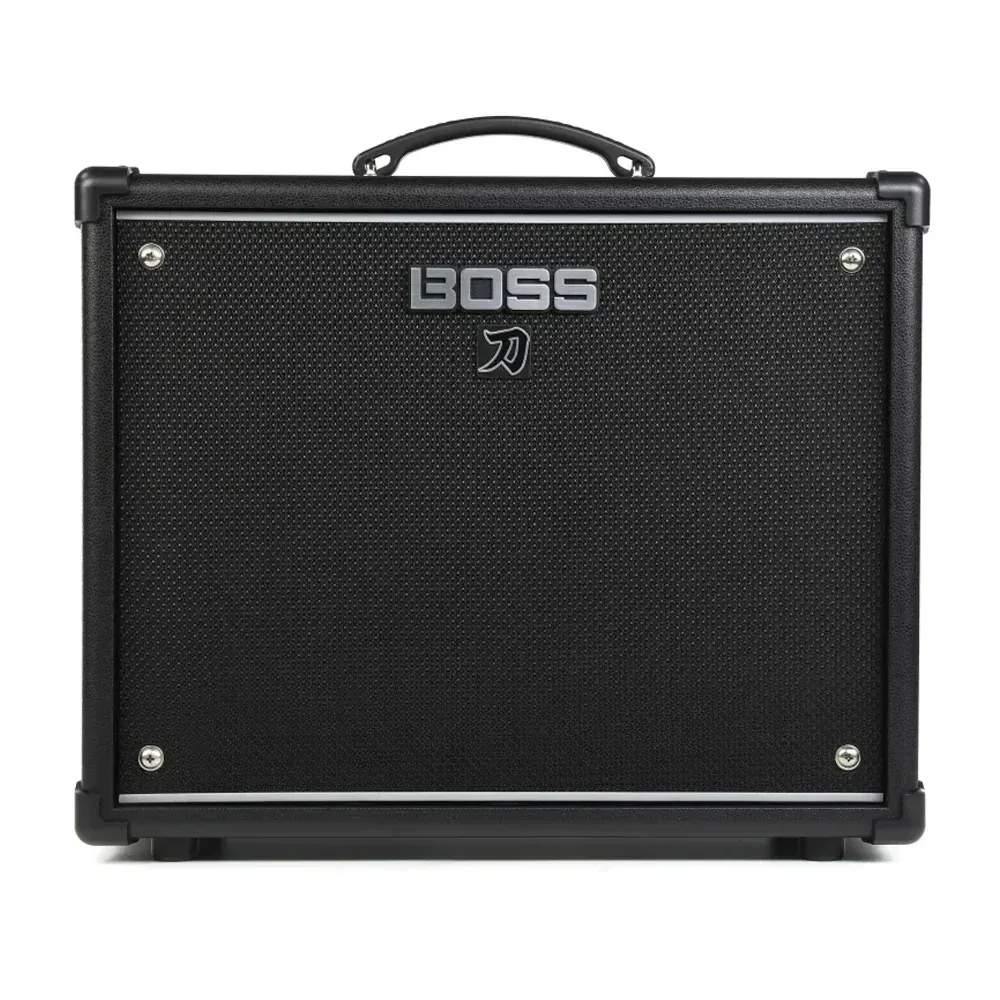
The Boss Katana Gen 3 brings the new Pushed voice, Bluetooth editing and a revised Tone Studio to the best-selling amp line in the world. Here is the full review, and which model to buy.