
Lewitt LCT 1040 Review: The Most Versatile Studio Microphone?
The Lewitt LCT 1040 blends tube and solid-state circuits continuously from a remote control unit. We look at why that makes it one of the most versatile studio microphones available.
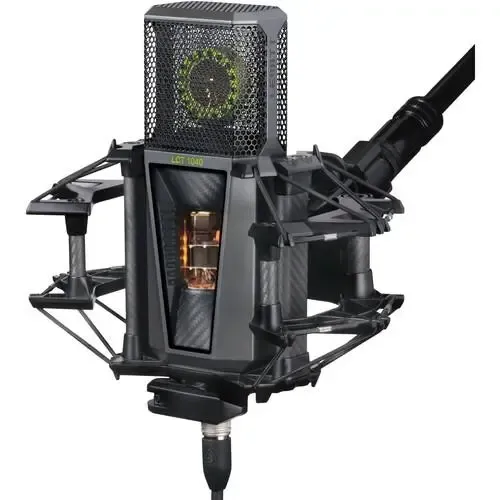
Most studio microphones make you choose. You buy a tube microphone for warmth, or a solid-state one for precision, and then you live with that decision on every source. The Lewitt LCT 1040 is built specifically to avoid that choice, and it is one of the most interesting microphones you can put in a studio.
The idea behind it
The LCT 1040 is a large-diaphragm condenser with both a tube circuit and a solid-state circuit inside. Instead of making you choose at purchase, Lewitt lets you blend continuously between tube and solid-state from a separate remote control unit. Turn it one way and you get the warmth, compression and harmonic richness of a tube. Turn it the other way and you get the clean, fast, uncoloured response of a high-end solid-state microphone. Everything in between is available too.
In practice this means one microphone covers territory that normally takes two or three.
The remote control unit
The control unit is what makes it work. It sits on your desk and puts the decisions where you can reach them while the talent is still standing at the mic:
- Continuous tube to solid-state blend
- Polar pattern selection
- Low-cut and other filtering
- Attenuation
The benefit is not just convenience. Being able to adjust the character of the microphone while someone is singing, rather than asking them to hold still while you swap a cable, is a real difference in how a session runs.
How it sounds
At the tube end it flatters close-miked vocals, adding body and a gentle smoothness without turning muddy. Moving towards solid-state it tightens noticeably, becoming a very honest, detailed microphone - excellent on acoustic instruments, drum overheads and anything where you do not want added colour.
The most useful thing about it is that you can find the blend a specific voice wants. A bright singer might want more tube. A dark one might want more solid-state. That is a conversation you cannot have with a fixed microphone.
Where it sits in the Lewitt range
- LCT 1040 - the flagship. Tube and solid-state, blendable, remote controlled.
- LCT 940 - a tube condenser for players and engineers who want classic valve character.
- LCT 640 TS - dual-output-mode condenser, letting you change the polar pattern after recording.
- LCT 540 S - the clean, precise studio condenser for critical sources.
Who it is for
- Commercial studios where one microphone has to cover many voices
- Serious home studios where buying three microphones is not an option
- Engineers who want to make tonal decisions by ear, in the moment
The verdict
The LCT 1040 asks a lot of money and gives a lot back. It is not a microphone you outgrow, and the blend control is not a gimmick - it changes what the microphone can do on a session. If you record a wide range of voices and instruments and want one microphone that handles all of them, this is the one to audition.
Shop Lewitt microphones at OneStopMusic
- Lewitt LCT 1040 Large-Diaphragm Tube Condenser Microphone
- Lewitt LCT 940 Tube Condenser Microphone
- Lewitt LCT 640 TS Dual-Output-Mode Condenser Microphone
- Lewitt LCT 540 S Condenser Microphone
Browse the full range of Lewitt products.
Related Articles & Videos
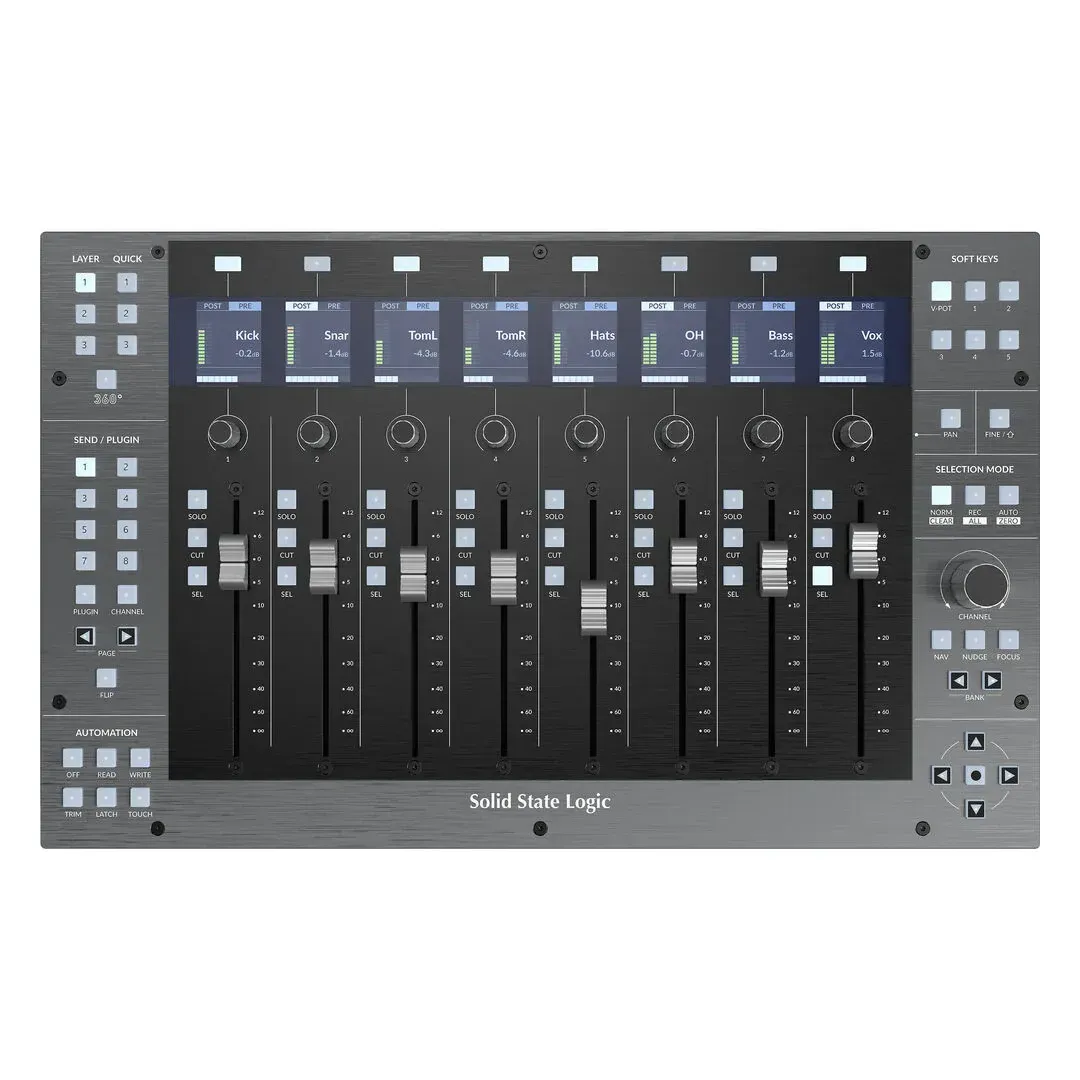
The SSL UF8 and UC1 bring console-style tactile control to your DAW. Here is how to build a professional mixing workflow with SSL's DAW controllers, and how the UF1 fits in.
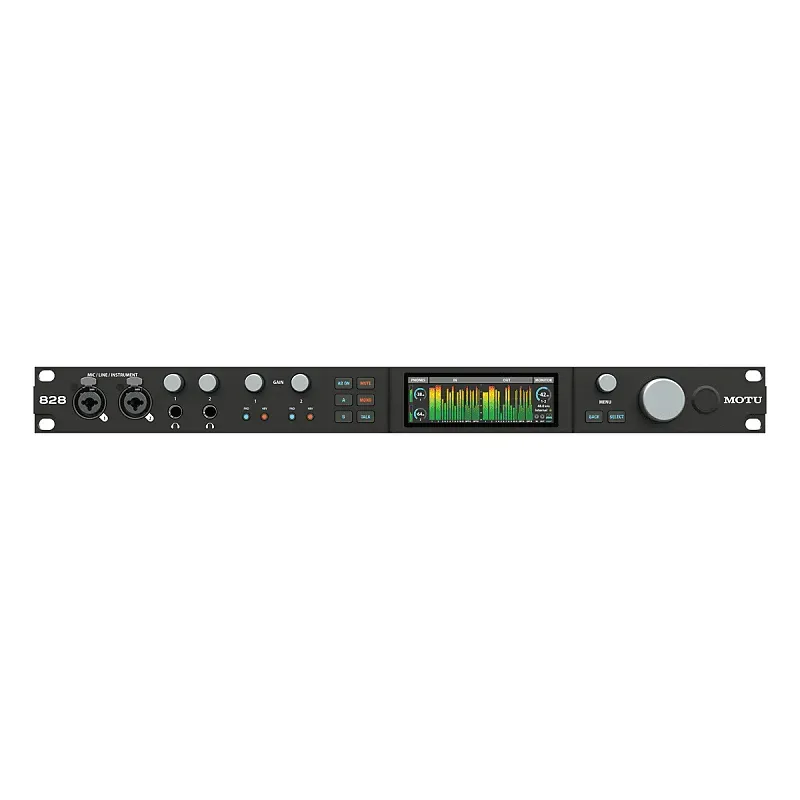
The MOTU 828 and UltraLite Mk5 both offer serious I/O for the money. We compare them, and place the M2, M4, M6, 8pre-es and 16A in the range, so you can pick the right one.
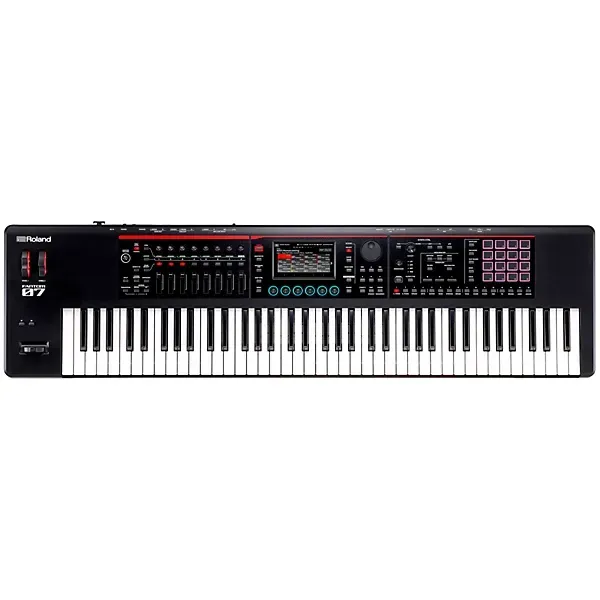
The Roland FANTOM-07 puts a deep synthesis engine, fast touchscreen workflow and real DAW integration into a 76-key instrument. Here is how it holds up, and how to choose between the FANTOM-06, 07 and 08.