
Solid Body vs Semi-Hollow vs Hollow Body Electric Guitars: What’s the Real Difference?
One of the most common conversations we have with customers at OneStopMusic starts with a simple question:
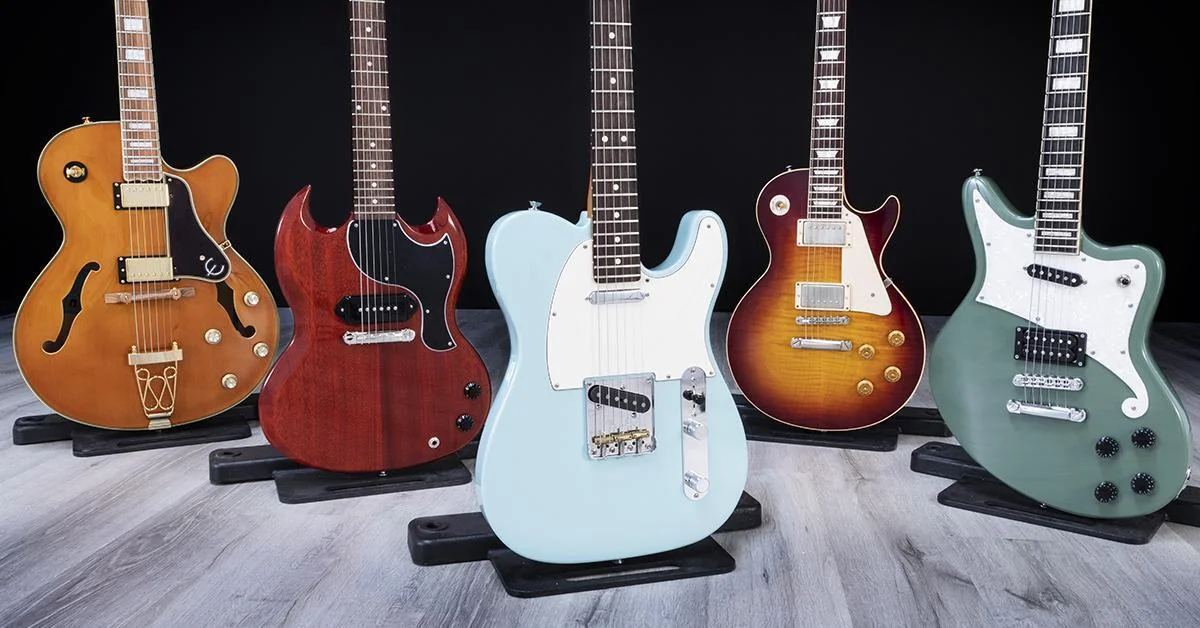
Introduction: Why Guitar Body Type Matters More Than You Think
One of the most common conversations we have with customers at OneStopMusic starts with a simple question:
“I know I want an electric guitar... but what’s the difference between solid body, semi-hollow, and hollow body guitars?”
It’s a fair question — and an important one.
Electric guitars can look deceptively similar on the wall or online, yet the way they’re built has a huge impact on how they sound, feel, and behave in real playing situations. Choosing the wrong body type won’t ruin your musical journey, but it can slow your progress, cause frustration, or leave you fighting feedback, tuning issues, or tones you never quite connect with.
In this guide, we’ll break down solid body vs semi-hollow vs hollow body electric guitars in clear, practical terms. No hype. No brand bias. Just real-world insight based on how musicians actually play.
By the end, you’ll understand:
- How each guitar type is constructed
- How those differences affect tone and playability
- Which body type suits different styles and experience levels
- How to make a confident choice you won’t outgrow quickly
A Quick Overview of Electric Guitar Body Types
Before we go deeper, here’s the simplest way to think about the three main types of electric guitars:
- Solid body – A solid block of wood, built for control and versatility
- Semi-hollow – A mix of solid and hollow construction for warmth and resonance
- Hollow body – Fully hollow, prioritising acoustic character and clean tones
Each exists for a reason. None is “better” — only more suitable depending on how and where you play.
Solid Body Electric Guitars
What Is a Solid Body Electric Guitar?
A solid body electric guitar is made from a solid piece (or several joined pieces) of wood, with no hollow chambers inside. The pickups capture string vibration directly, with minimal influence from the body’s resonance.
This design became popular for one main reason: control.
How Solid Body Guitars Sound
- Focused, direct tone
- Strong sustain
- Excellent clarity under distortion
- Minimal unwanted feedback
Because the body doesn’t resonate much acoustically, the sound stays consistent even at high volumes or with heavy effects.
How They Feel to Play
- Generally slimmer and more ergonomic
- Comfortable for long practice sessions
- Predictable response across styles
Who Solid Body Guitars Are Best For
Solid body guitars are the most versatile option and are often the safest choice if you’re unsure where your musical path will lead.
They’re ideal for:
- Beginners buying their first electric guitar
- Rock, pop, metal, punk, and modern worship players
- Musicians using pedals, distortion, or high-gain amps
- Gigging players who need reliability on loud stages
At OneStopMusic, solid body guitars are usually where new players start — not because they’re basic, but because they adapt easily as skills and tastes evolve.
Potential Downsides
- Can sound less “open” or airy when played clean
- Some players find them less expressive at very low volumes
Semi-Hollow Electric Guitars
What Is a Semi-Hollow Electric Guitar?
Semi-hollow guitars feature a solid centre block running through the body, with hollow chambers on either side. These chambers are often visible through f-holes on the top.
This design was created to balance warmth and resonance with feedback control.
How Semi-Hollow Guitars Sound
- Warmer and more open than solid bodies
- Noticeable natural resonance
- Smooth transition from clean to overdriven tones
They respond more to touch and dynamics, rewarding subtle playing.
How They Feel to Play
- Slightly larger body than most solid guitars
- Lighter than they look
- Comfortable for seated and standing play
Who Semi-Hollow Guitars Are Best For
Semi-hollow electric guitars are popular with players who want character without sacrificing versatility.
They’re well-suited for:
- Blues, jazz, indie, classic rock, and soul
- Players who rely on clean to mid-gain tones
- Intermediate musicians developing tonal nuance
Many players discover semi-hollows after a few years of playing, once they’ve developed a sense of touch and tone preference.
Things to Be Aware Of
- Can feed back at very high volumes
- Not ideal for extreme distortion
- Larger body may feel bulky to smaller players
This is where trying a guitar in person — or getting advice from a knowledgeable store like OneStopMusic — really helps.
Hollow Body Electric Guitars
What Is a Hollow Body Electric Guitar?
Hollow body electric guitars are fully hollow inside, similar to an acoustic guitar, but use pickups for amplification instead of a sound hole.
They predate solid body guitars and were originally designed to give jazz players more volume without losing acoustic warmth.
How Hollow Body Guitars Sound
- Warm, rounded, woody tone
- Strong acoustic resonance
- Shorter sustain than solid or semi-hollow guitars
They excel at clean tones and expressive phrasing.
How They Feel to Play
- Larger body size
- Lightweight
- Very responsive to touch
Who Hollow Body Guitars Are Best For
Hollow body electric guitars shine in specific musical contexts:
- Jazz and traditional blues
- Swing, rockabilly, and roots music
- Players who prioritise clean tone and dynamics
They’re usually recommended once a player understands their tonal needs, rather than as a first electric guitar.
Limitations to Consider
- Highly prone to feedback at higher volumes
- Not suited for heavy gain or loud stages
- Less versatile across modern genres
Side-by-Side Comparison
Tone and Sound
- Solid body: Tight, controlled, versatile
- Semi-hollow: Warm, resonant, expressive
- Hollow body: Open, woody, traditional
Feedback Resistance
- Solid body: Excellent
- Semi-hollow: Moderate
- Hollow body: Low
Versatility
- Solid body: Highest
- Semi-hollow: Moderate to high
- Hollow body: Style-specific
Beginner-Friendliness
- Solid body: Very beginner-friendly
- Semi-hollow: Better for confident players
- Hollow body: Best for experienced players
Common Mistakes We See When Choosing a Body Type
Working with musicians daily, a few patterns come up repeatedly:
- Choosing hollow body guitars for high-volume rock gigs
- Buying semi-hollows for metal because they look stylish
- Avoiding solid bodies because they seem “too common”
None of these are fatal mistakes, but they often lead to frustration.
A guitar should support your playing, not fight it.
Why Buying From a Knowledgeable Music Store Matters
Body type is one of those decisions that’s difficult to undo once you’ve spent time with the instrument.
A trusted music store doesn’t just sell guitars — it helps match players to the right tools. At OneStopMusic, we help musicians compare solid body, semi-hollow, and hollow body electric guitars based on:
- Playing style
- Volume requirements
- Experience level
- Comfort and ergonomics
That guidance often makes the difference between a guitar that gets played daily and one that ends up in its case.
Final Thoughts: Choosing the Right Electric Guitar Body
When comparing solid body vs semi-hollow vs hollow body electric guitars, the goal isn’t to find the “best” option — it’s to find the most suitable one for how you actually play.
- If you want versatility and reliability, solid body guitars are hard to beat
- If you crave warmth and expressive dynamics, semi-hollow guitars offer a beautiful middle ground
- If clean tone and traditional feel matter most, hollow body guitars deliver character in spades
Take time to listen, feel, and compare. If possible, play a few side by side and ask questions.
When you’re ready, browsing the electric guitar range at OneStopMusic — online or in-store — is the natural next step. The right guitar tends to stand out once you know what you’re listening and feeling for.
Read more about Types of Electric Guitars
Read more about How to Choose an Electric Guitar for Your Playing Style
Read more about Electric Guitar Price Ranges Explained
Read Next: Types of Electric Guitars: What They Are, How They Sound, and How to Choose the Right One
Ready to upgrade your sound? Visit the OneStopMusic Online Shop for premium guitars, keyboards, and pro audio gear delivered across South Africa. 🇿🇦
Related Articles & Videos
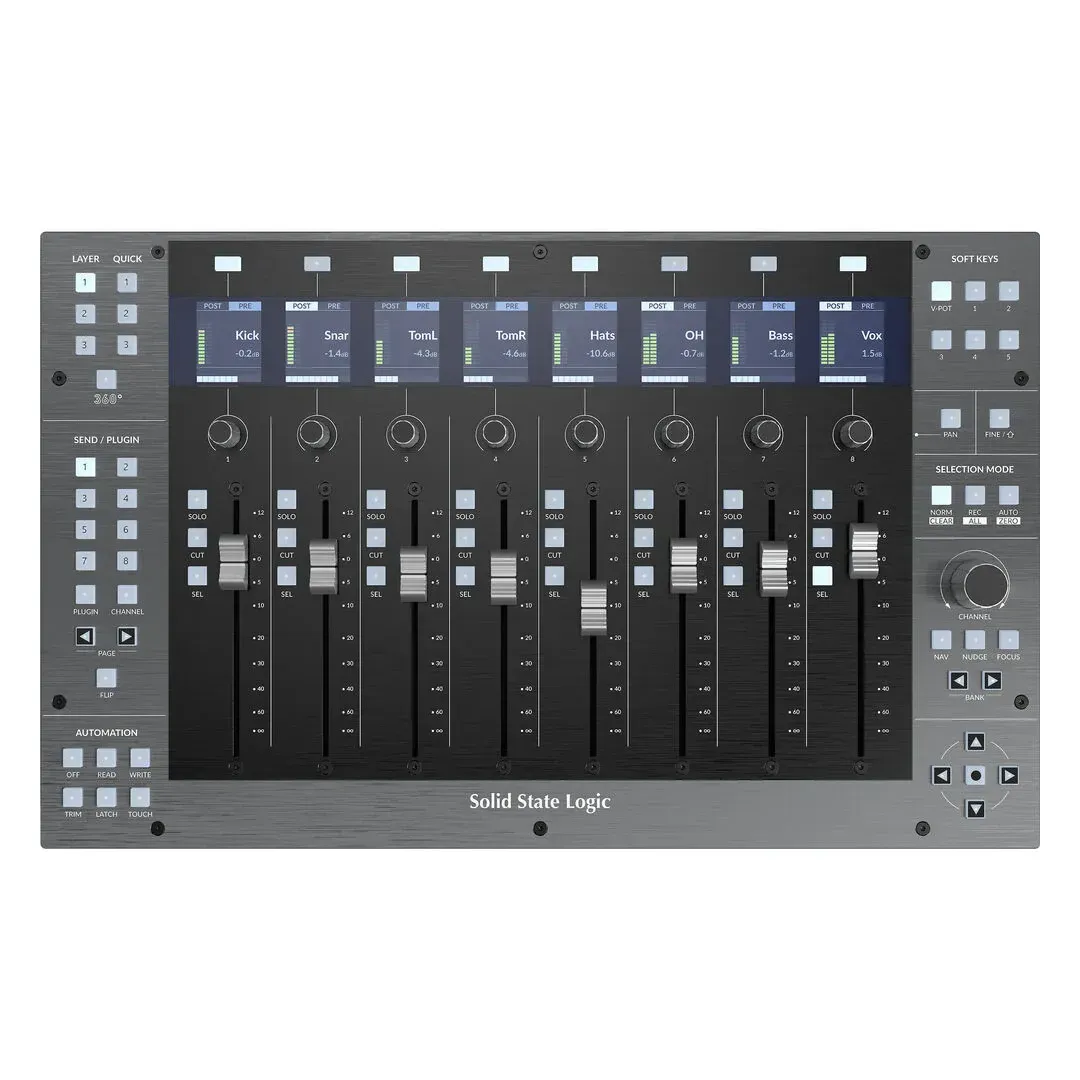
The SSL UF8 and UC1 bring console-style tactile control to your DAW. Here is how to build a professional mixing workflow with SSL's DAW controllers, and how the UF1 fits in.
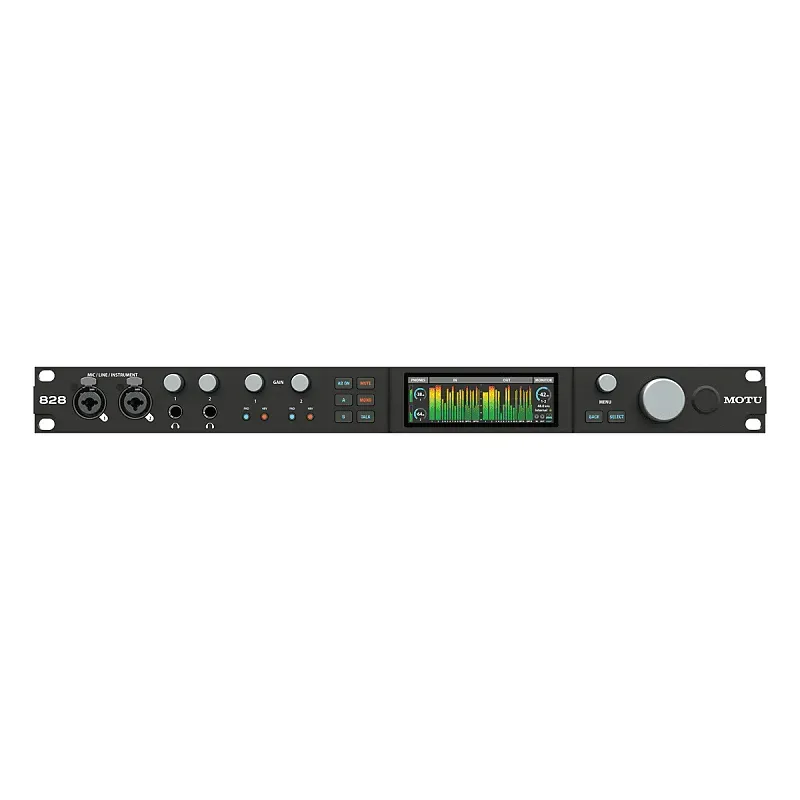
The MOTU 828 and UltraLite Mk5 both offer serious I/O for the money. We compare them, and place the M2, M4, M6, 8pre-es and 16A in the range, so you can pick the right one.
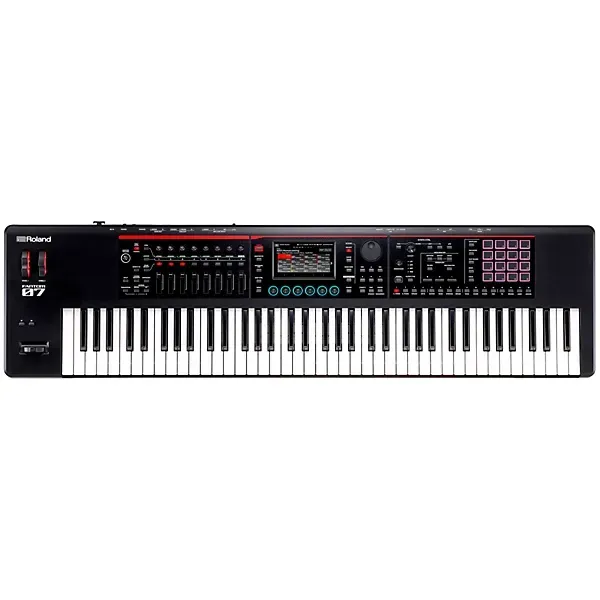
The Roland FANTOM-07 puts a deep synthesis engine, fast touchscreen workflow and real DAW integration into a 76-key instrument. Here is how it holds up, and how to choose between the FANTOM-06, 07 and 08.