
Why the Roland FP-10 is a Great Affordable Digital Piano with Authentic Feel
Hey there, fellow piano enthusiasts—if you’re just starting out or looking for a no-fuss digital piano that actually feels and sounds like the real thing without breaking the bank, the Roland FP-10 could be your perfect match.
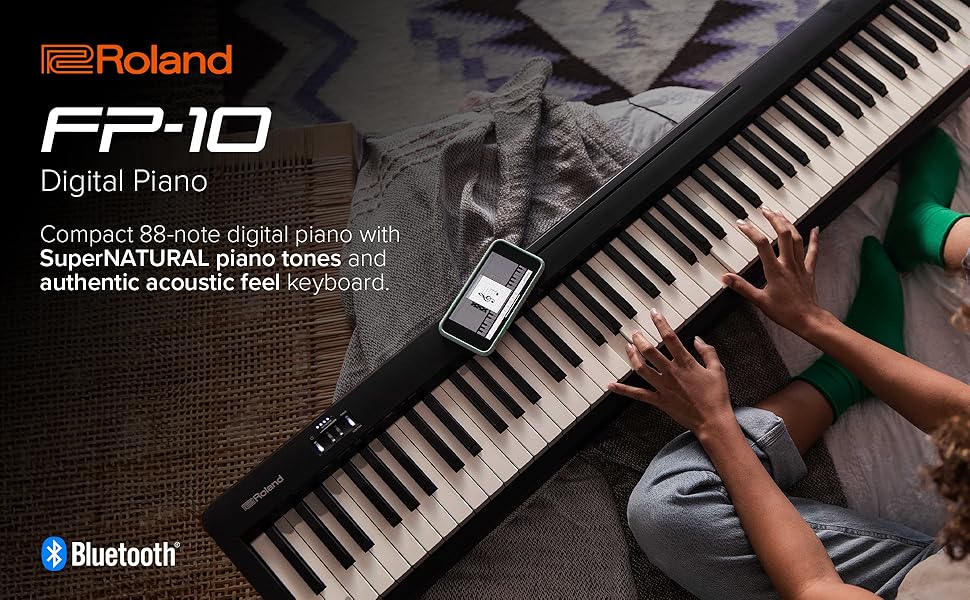
Hey there, fellow piano enthusiasts—if you’re just starting out or looking for a no-fuss digital piano that actually feels and sounds like the real thing without breaking the bank, the Roland FP-10 could be your perfect match. It’s the entry-level gem in Roland’s FP series, packing serious playability into a compact, affordable package. In this post, I’ll break down what makes it stand out, from the keyboard action to the tones, so you can see if it’s the right step up for your playing.
Key Features & Deep Dive
The FP-10 keeps things straightforward while delivering Roland’s renowned quality—ideal if you want authentic piano experience without extra bells and whistles.
Tone & Sound Character: What to Expect
Powered by Roland’s SuperNATURAL Piano Sound engine, the FP-10 captures the rich, expressive character of an acoustic piano through sampling and modeling tech. You’ve got 15 tones accessible directly from the panel (with 36 total via the app), including solid piano variations plus some EPs, organs, and strings. Polyphony hits 96 voices, plenty for most playing without notes dropping out.
Built-in effects include ambience (0-10 levels) for adding space, brilliance adjustment, and always-on piano specifics like string resonance, damper resonance, and key-off resonance—these give that natural decay and sympathy you feel on a grand. Through the twin 6W speakers (12 cm each), the sound is clear and balanced for home practice, with enough projection for a small room. Headphones get the full treatment too, and it’s quiet enough for anytime playing.
Playability & Feel: Is It Comfortable?
This is a highlight—the 88-key PHA-4 Standard keyboard with escapement and ivory feel. It replicates the hammer action of an acoustic, complete with that subtle notch on let-off and textured keys that grip without slipping. Touch sensitivity offers 5 levels (or fixed), so you can dial in responsiveness to your style.
At just 12.6 kg without the music rest, it’s one of the most portable 88-note options out there—super compact at 1284 mm wide, 258 mm deep, and 140 mm high. Twin Piano mode splits the keyboard for teacher-student duets, and the optional DP-10 pedal supports half-pedaling for nuance.
Construction & Durability: Built to Last?
Roland’s build is solid and practical—slim cabinet design that’s easy to place anywhere. It comes in black, with a detachable music rest. Connectivity includes USB to computer (Type B), USB for updates, phones jack (miniature, doubles as output), and DC in. Bluetooth MIDI (Ver 4.0) lets you connect wirelessly to apps—no cables needed for basics.
Power draw is efficient at around 4W average, with an auto-off function. Included: owner’s manual, music rest, AC adaptor, power cord, and a basic pedal switch.
Features & Unique Selling Points
Bluetooth MIDI integration stands out at this price—pair with the Roland Piano App for deeper tone selection, metronome control, and more from your phone. It works with other apps like GarageBand too. Onboard metronome, transpose, and internal songs (17 listening + 15 demos) add practice tools. Optional KSCFP10 stand gives it a classic upright look if you want permanence.
Who This Digital Piano Is Perfect For
The Roland FP-10 is spot-on for beginners diving into piano who want authentic action and sound from day one. It’s great for students in lessons (thanks to Twin Piano), apartment dwellers needing something compact and quiet, or experienced players wanting an affordable second piano for practice or travel. If you’re on a budget but tired of toy-like keys on cheaper boards, this delivers that reassuring feel.
Honest Considerations
It’s entry-level, so polyphony is 96 voices (fine for most, but complex pieces might push it), and tones are focused on essentials—15 front-panel ones, with extras needing the app. Speakers are good for personal use but not room-filling for performances; you’ll want amps or headphones for bigger sound. No mic input or advanced effects like higher models. Stand and better pedal are optional extras, so plan accordingly.
Comparison Context
As the most affordable in Roland’s FP-X series, the FP-10 sits below the FP-30X (more sounds and power) and way under flagships like the FP-90X. It competes strongly with entry-level digitals from Yamaha or Casio, often winning on keyboard feel while offering Bluetooth at a similar price.
Conclusion & Final Verdict
All said, the Roland FP-10 punches way above its weight with SuperNATURAL tones and a PHA-4 action that makes practicing enjoyable. It’s compact, connected, and ready to play— a smart choice for anyone starting serious piano without overcommitting.
If this hits home for your setup, jump over to check specs, demos, and pricing. It’s an easy way to bring quality piano into your space.
View the Roland FP-10-BK Digital Piano on OneStopMusic
View the Roland FP-1090X-BK Digital Piano on Roland
Read Next: Why the Roland FP-90X is the Best Portable Digital Piano for Stage and Home
Ready to upgrade your sound? Visit the OneStopMusic Online Shop for premium guitars, keyboards, and pro audio gear delivered across South Africa. 🇿🇦
Related Articles & Videos
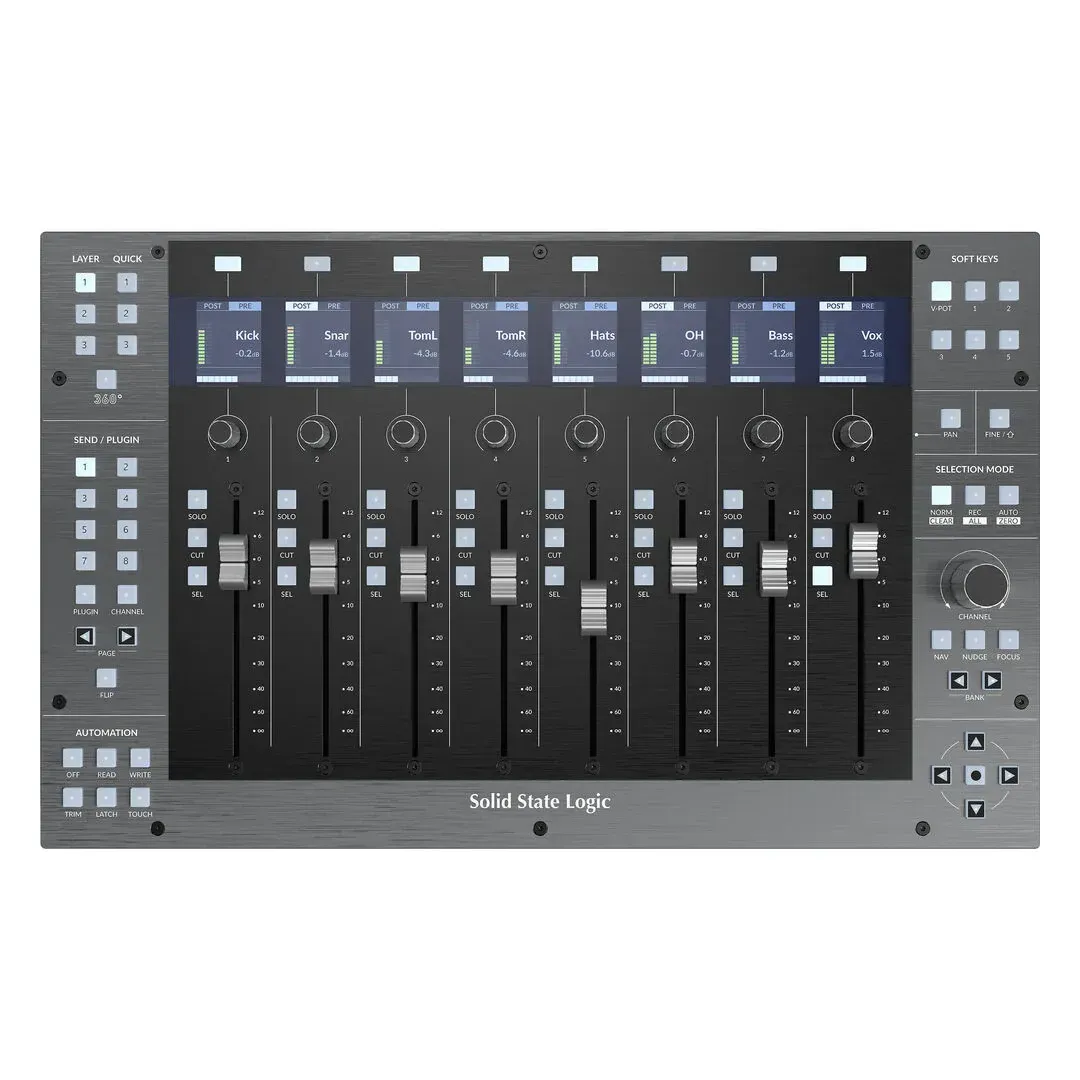
The SSL UF8 and UC1 bring console-style tactile control to your DAW. Here is how to build a professional mixing workflow with SSL's DAW controllers, and how the UF1 fits in.
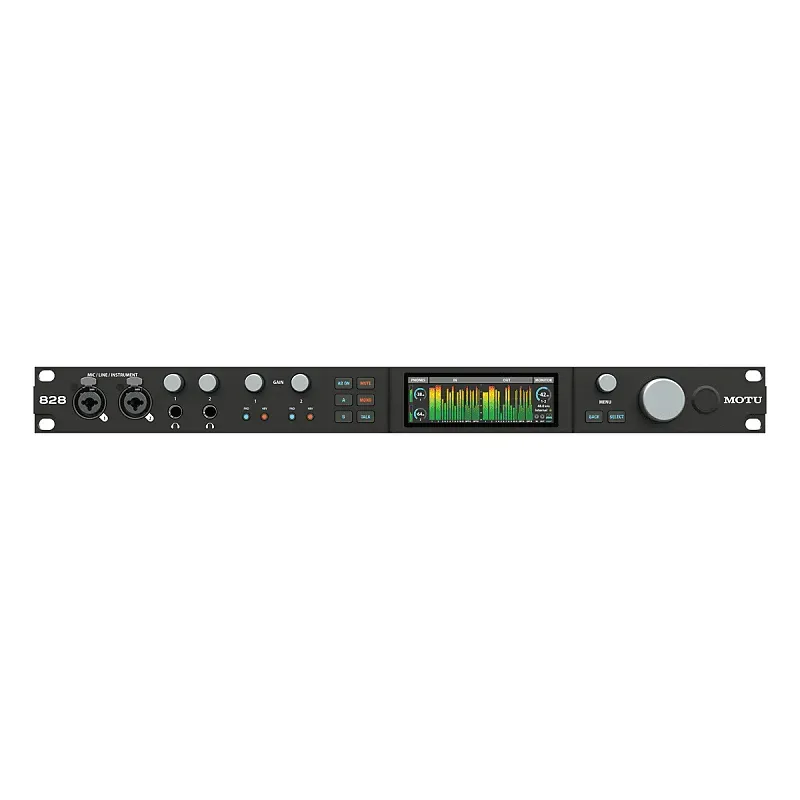
The MOTU 828 and UltraLite Mk5 both offer serious I/O for the money. We compare them, and place the M2, M4, M6, 8pre-es and 16A in the range, so you can pick the right one.
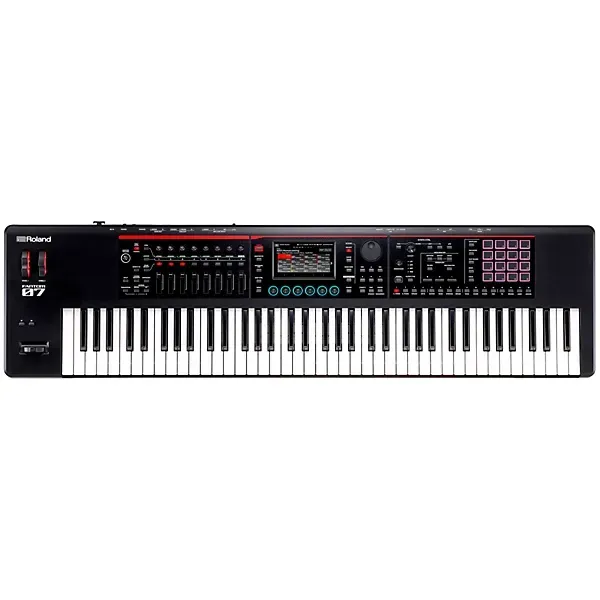
The Roland FANTOM-07 puts a deep synthesis engine, fast touchscreen workflow and real DAW integration into a 76-key instrument. Here is how it holds up, and how to choose between the FANTOM-06, 07 and 08.