
How Often Should You Change Guitar Strings?
This is one of the most common questions we hear at OneStopMusic, and for good reason. Strings affect your tone, tuning, comfort, and even how motivated you feel to play.

This is one of the most common questions we hear at OneStopMusic, and for good reason. Strings affect your tone, tuning, comfort, and even how motivated you feel to play.
So — how often should you actually change guitar strings?
The honest answer depends on how you play, how often you play, and what you expect your guitar to feel like.
Why Strings Wear Out
Guitar strings wear down because of:
- Sweat and skin oils
- Dirt and dust
- Friction against frets
- Changes in tension
Over time, this leads to corrosion, loss of brightness, and tuning instability.
Signs It’s Time to Change Your Strings
Regardless of timelines, change your strings if you notice:
- Dull or lifeless tone
- Rough or sticky feel
- Difficulty staying in tune
- Visible rust or discoloration
If your guitar feels harder to play than it used to, strings are often the reason.
General String Change Guidelines
These are practical averages, not strict rules:
- Daily players / gigging musicians: Every 1–2 weeks
- Regular practice (a few times a week): Every 3–4 weeks
- Occasional players: Every 2–3 months
Climate and sweat acidity can shorten these timelines.
Beginners: Why Fresh Strings Matter More
Beginners often push old strings far too long.
Worn strings:
- Hurt more to press
- Slow progress
- Make tuning frustrating
Fresh strings make learning noticeably easier — which is why we encourage beginners at OneStopMusic not to treat string changes as optional.
Coated vs Uncoated Strings
Coated strings last longer and resist corrosion, but cost more upfront.
Uncoated strings:
- Feel more natural to some players
- Need more frequent changes
There’s no right answer — consistency matters more than type.
Can You Change Strings Too Often?
Not really — as long as you restring correctly.
Fresh strings don’t harm your guitar. Neglect does.
Final Thoughts
If your guitar sounds dull, feels uncomfortable, or won’t stay in tune, start with the strings.
Regular string changes are one of the simplest ways to enjoy your guitar more.
If you’re unsure which strings suit your playing style or guitar, a quick conversation at OneStopMusic can save you trial and error.
Your guitar will thank you for it.
Read more about Electric Guitar Maintenance Basics
Read more about Electric Guitar Accessories You Actually Need
Read Next: Electric Guitar Maintenance Basics (What Every Player Should Know)
Ready to upgrade your sound? Visit the OneStopMusic Online Shop for premium guitars, keyboards, and pro audio gear delivered across South Africa. 🇿🇦
Related Articles & Videos
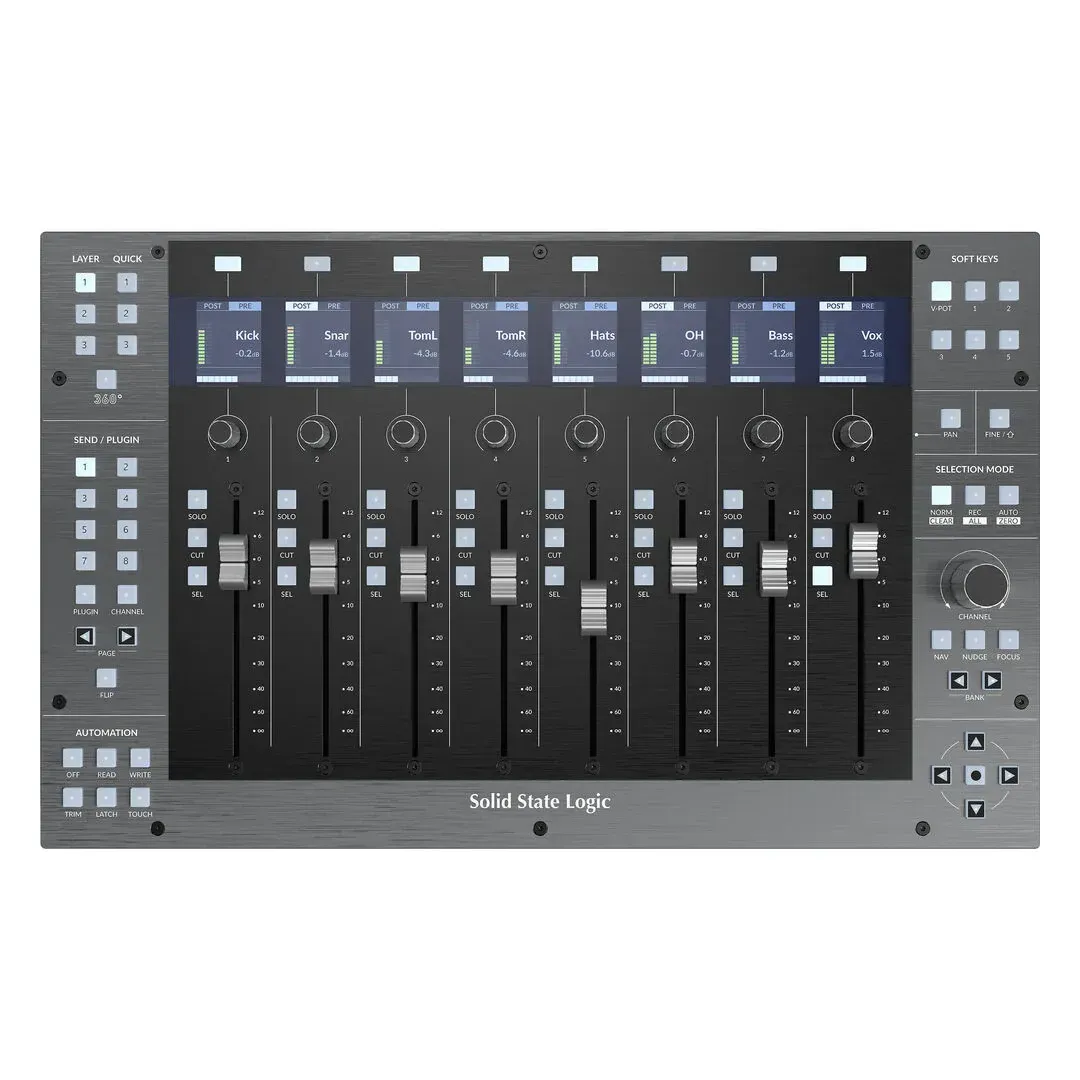
The SSL UF8 and UC1 bring console-style tactile control to your DAW. Here is how to build a professional mixing workflow with SSL's DAW controllers, and how the UF1 fits in.
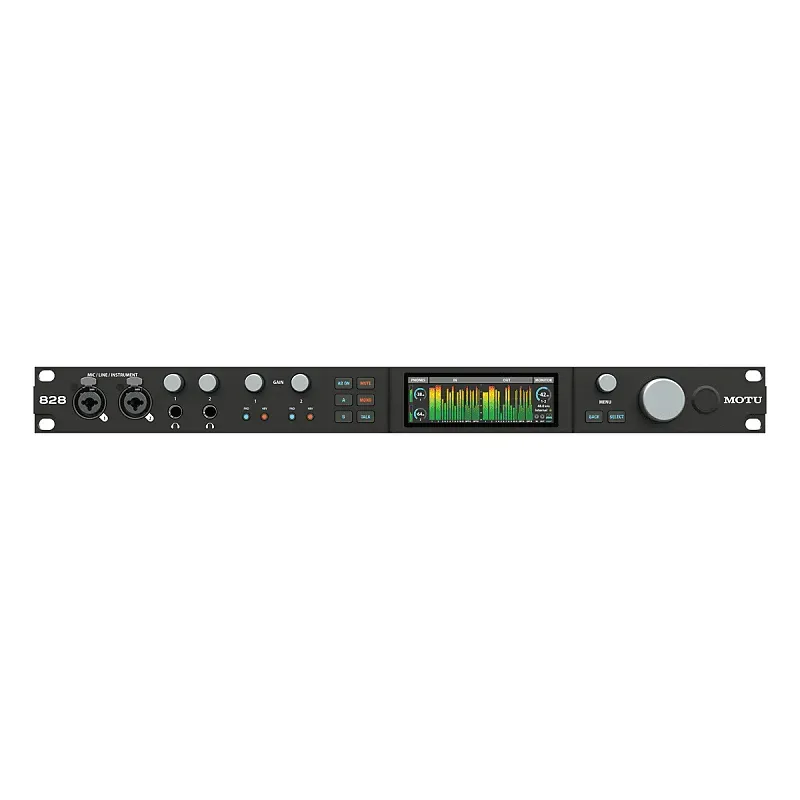
The MOTU 828 and UltraLite Mk5 both offer serious I/O for the money. We compare them, and place the M2, M4, M6, 8pre-es and 16A in the range, so you can pick the right one.
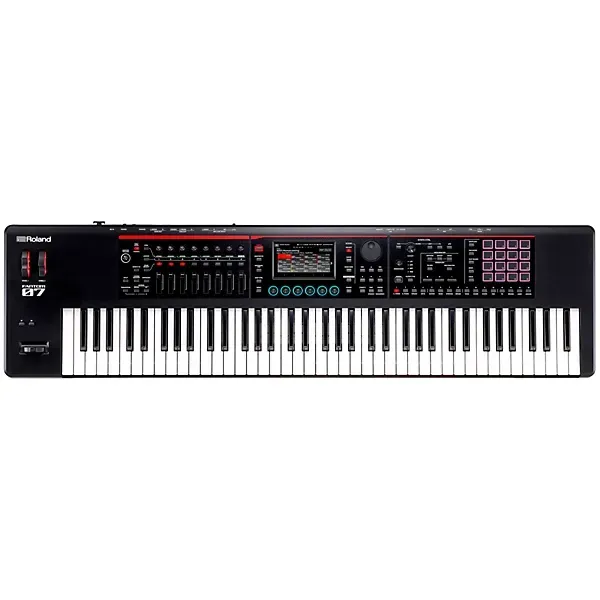
The Roland FANTOM-07 puts a deep synthesis engine, fast touchscreen workflow and real DAW integration into a 76-key instrument. Here is how it holds up, and how to choose between the FANTOM-06, 07 and 08.