
Our Guide to Live Sound: Building a Small PA That Works
How to put together a small live sound system without overspending: sizing the rig to the room, what the mixer and speakers actually do, and the mistakes that ruin a gig.
The gap between a good live sound system and a bad one is rarely the price of the gear. It is almost always the order you buy things in, and how well the pieces actually work together. This guide covers putting a small PA together from scratch.
Start from the room, not the equipment list
Before you buy anything, answer three questions:
- How many people are you playing to? A 40-seat room and a 300-seat hall need different amounts of sound, and buying for the bigger one costs twice as much for no benefit at the smaller.
- Is the room reflective or dead? Hard floors, glass and bare walls make a small system sound loud and harsh. Carpeting and a crowd absorb a lot of it.
- What is the music? A solo singer and an acoustic guitar is a very different problem from a five-piece band with a drummer. Once a drum kit is involved, everything has to get louder.
The three parts of any PA
The signal goes: source, to mixer, to speakers. Everything else is detail.
1. The mixer
The mixer takes everything - microphones, instruments, laptops - and balances it into one signal.
If you are a solo act or a duo, you need very little. Two or three microphone channels and a couple of line inputs is plenty, and almost any small analogue mixer will do.
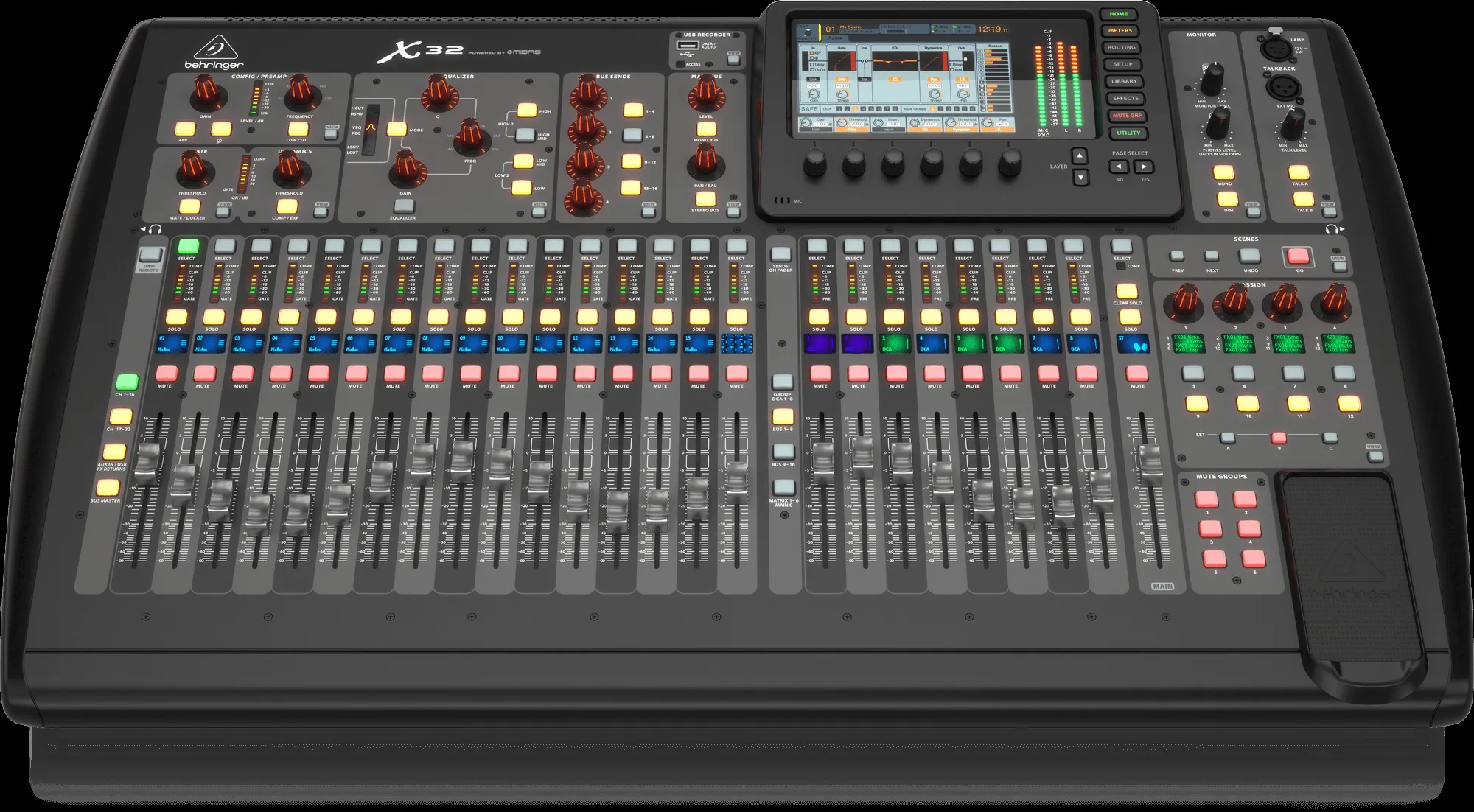
For a band, or anything with more than about four inputs, a digital mixer makes far more sense than an analogue one. The reason is scene recall: you set the balance for a song once, store it, and recall it exactly night after night. On an analogue desk you are re-doing the same work at every show and hoping you remember it.
The Behringer X32 is the console most venues in South Africa have settled on for exactly this reason. If you want real faders but less bulk, the X32 Producer is the same brain in a smaller chassis, and the X32 Rack has no faders at all and is controlled from a tablet - which suits an installed system where nobody wants a desk in the way.
Record your shows and the X-LIVE card turns the console into a 32-channel multitrack recorder. It is the best single upgrade to an X32.
2. The speakers
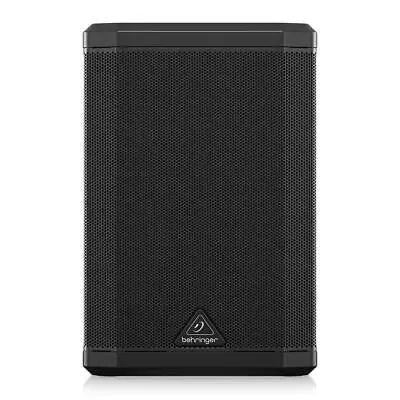
Powered speakers have the amplifier built in, which means one box instead of two and no speaker cables to get wrong. For almost everyone starting out, powered is the right answer.
- Small rooms, solo and duo work. The Behringer B1X is an all-in-one portable PA - mixer, amplifier and speakers in one unit that folds up and carries like luggage. For a singer-songwriter playing cafes and small functions, nothing else is as simple.
- Small venues and functions bands. A pair of PK115A powered speakers on stands covers a room of a few hundred people and takes minimal setup.
- Bigger rooms and louder bands. The B115MP3 adds more output and Bluetooth for walk-in music. Beyond that you are looking at passive boxes and separate amplifiers, and a proper conversation about the room.
Buy speakers on stands, at ear height, in front of the band. This sounds trivial and it is the difference between a system that works and one that feeds back all night.
3. The microphones and cables
This is where beginners overspend in the wrong places. You do not need expensive microphones to make a small system sound good; you do need enough of them, and cables that are not failing.
- Buy one microphone per vocalist, and do not share.
- Buy more cables than you think you need. Cables are the thing that fails at soundcheck, every time.
- Budget for stands - a microphone on a stand beats one being held at an angle.
The mistakes that actually ruin a small gig
- Putting the speakers behind the band. Instant feedback. The speakers go in front, facing the audience, and the band hears them from behind.
- Turning everything up. A quiet system that is balanced beats a loud one that is fighting itself. If the vocals are getting lost, something else is too loud, not the vocals too quiet.
- Ignoring monitors. The band cannot play well if they cannot hear themselves. Even one wedge or a couple of in-ears changes a performance.
- Buying the biggest system you can afford. A system that is too large for the room is harder to control, not easier, and you will never use the headroom you paid for.
What to buy first
If you are starting from nothing, buy in this order and stop when the room is covered:
- A pair of powered speakers and stands - this is the system. Everything else supports it.
- Microphones for the vocals and the cables to connect them.
- A small mixer - or a digital one if you expect to grow past four inputs.
- Monitors so the band can hear itself.
- More inputs and a bigger console only once you are genuinely running out.
The Behringer B1X covers steps 1 to 3 in one purchase for acoustic and solo work. For a band, start with the PK115A pair and an X32.
Shop live sound at OneStopMusic
- Behringer B1X 250W All-in-One Portable PA System
- Behringer PK115A 800W 15-inch Powered Speaker with Bluetooth
- Behringer Eurolive B115MP3 1000W 15 inch Powered Speaker
- Behringer X32 40-channel Digital Mixer
- Behringer X32 Producer 40-channel Rack Mountable Mixer
- Behringer X32 Rack 40-channel Rackmount Digital Mixer
- Behringer X-LIVE X32 Expansion Card
Browse the full range of Behringer products, or look at our Behringer X32 digital mixer guide for a deeper look at the consoles.
Related Articles & Videos
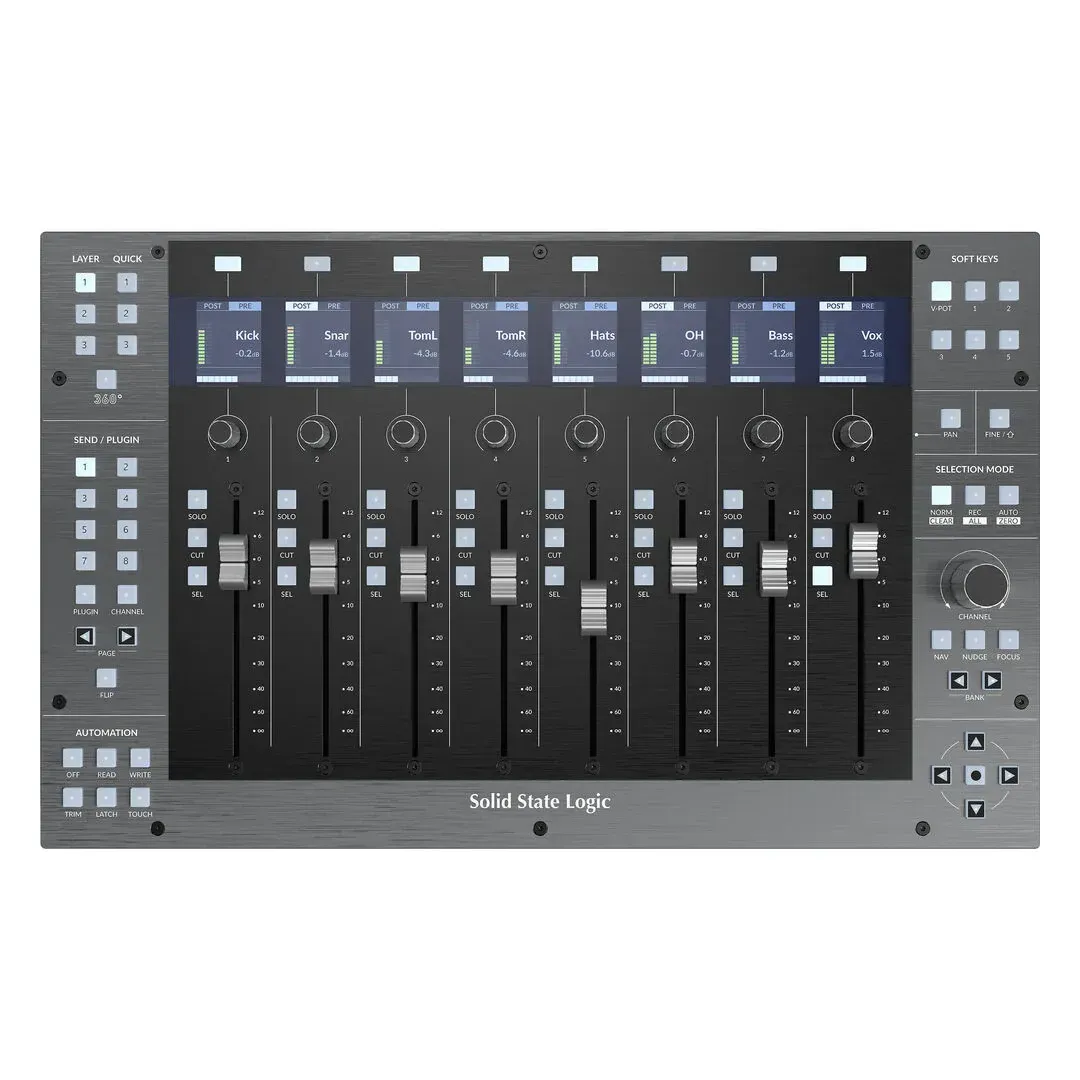
The SSL UF8 and UC1 bring console-style tactile control to your DAW. Here is how to build a professional mixing workflow with SSL's DAW controllers, and how the UF1 fits in.
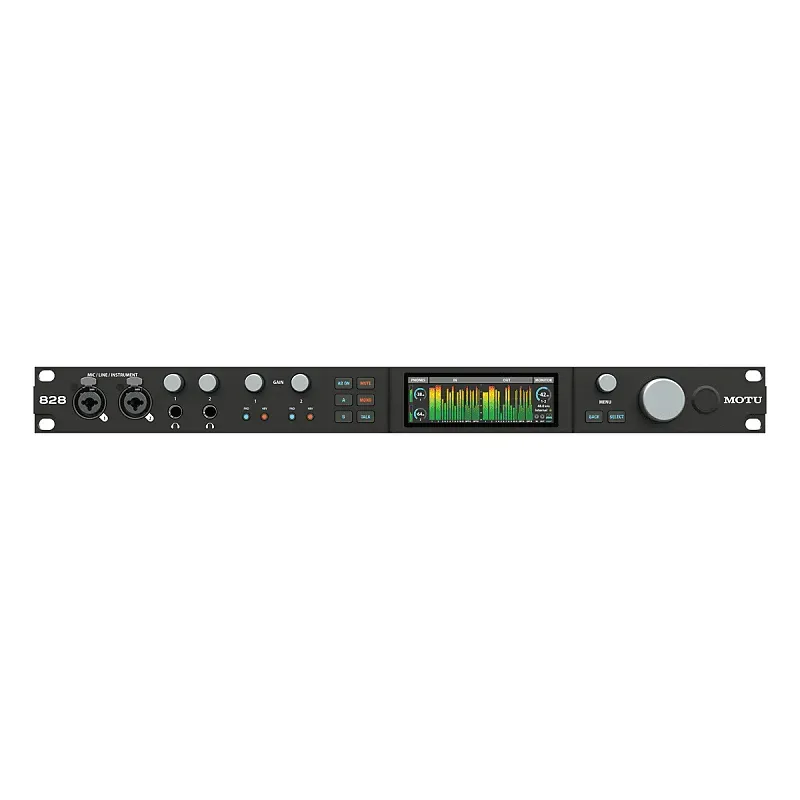
The MOTU 828 and UltraLite Mk5 both offer serious I/O for the money. We compare them, and place the M2, M4, M6, 8pre-es and 16A in the range, so you can pick the right one.
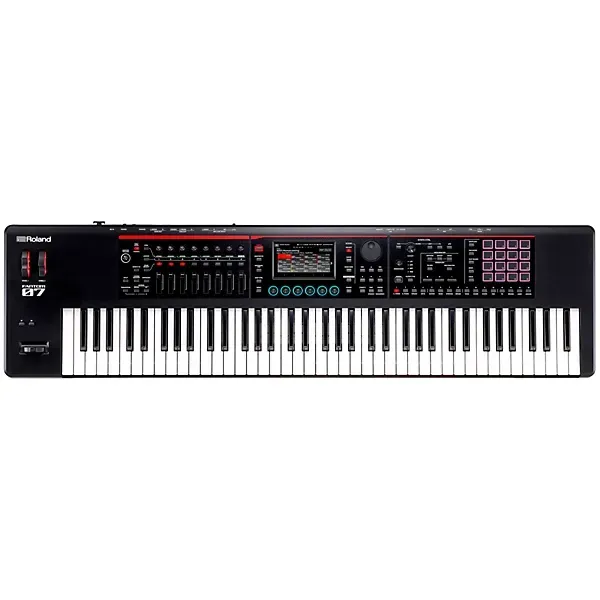
The Roland FANTOM-07 puts a deep synthesis engine, fast touchscreen workflow and real DAW integration into a 76-key instrument. Here is how it holds up, and how to choose between the FANTOM-06, 07 and 08.