
Condenser vs Dynamic Microphones
Choosing the right microphone for your recording project can feel like deciphering ancient hieroglyphics. Fear not, audio explorers!
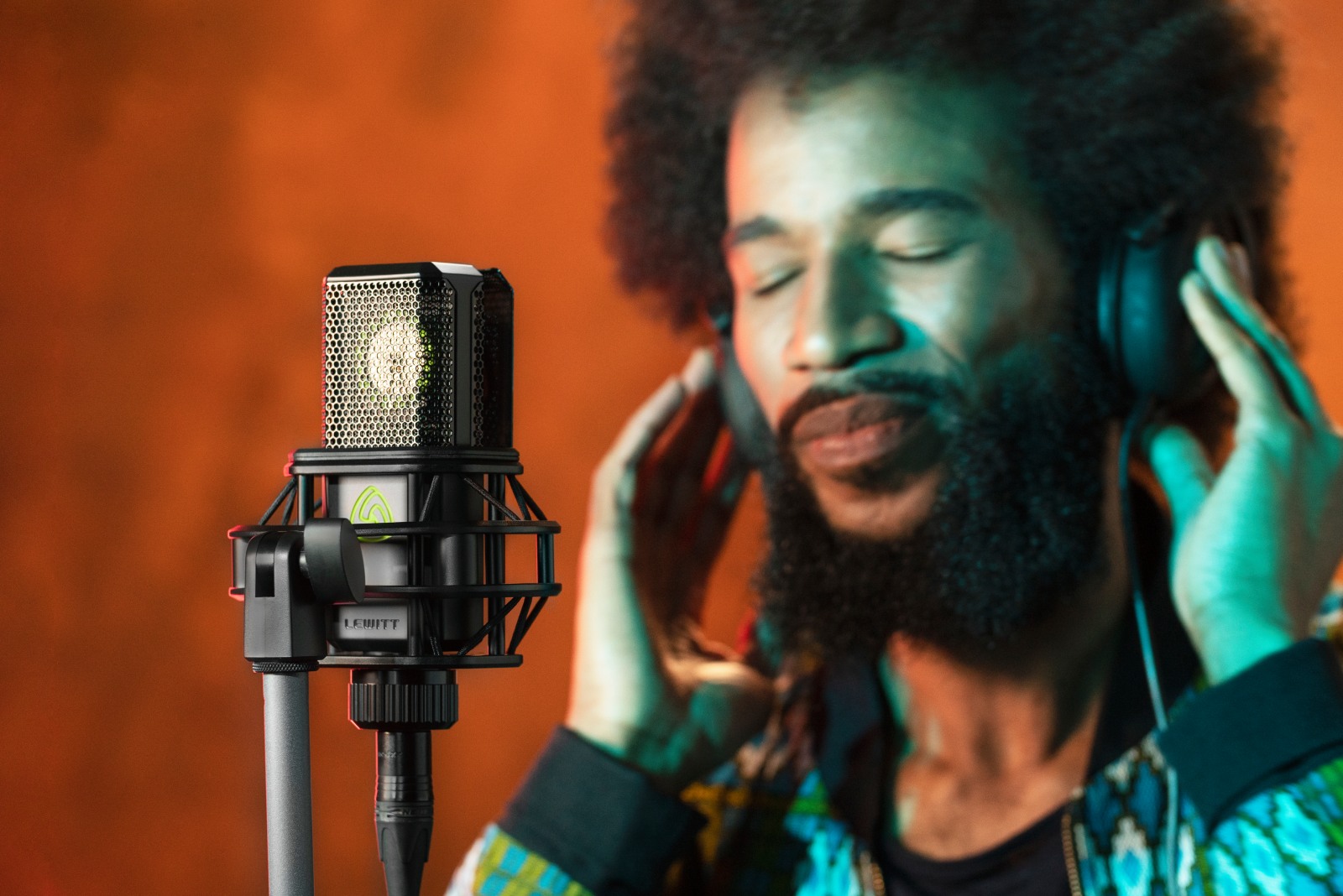
Condenser vs. Dynamic: Unveiling the Microphone Mystery in Your Studio
Choosing the right microphone for your recording project can feel like deciphering ancient hieroglyphics. Fear not, audio explorers! Today we delve into the realm of condenser and dynamic microphones, two titans of the audio world, and unveil their strengths, weaknesses, and ideal recording applications.
Under the Hood: The Tech That Makes Them Tick
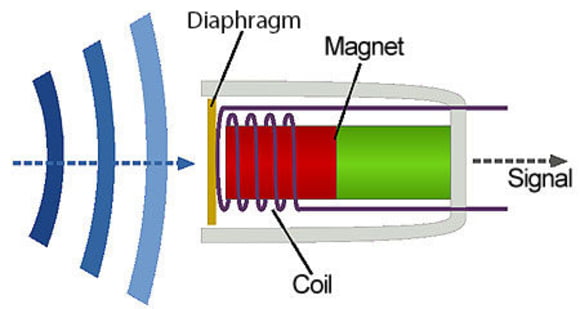
- Dynamic Mics: Picture a tiny generator, where sound waves vibrate a coil of wire within a magnetic field, creating an electrical current. These workhorses are tough, handle loud sounds well, and don’t need external power. Think of them as the reliable pickup trucks of the mic world.
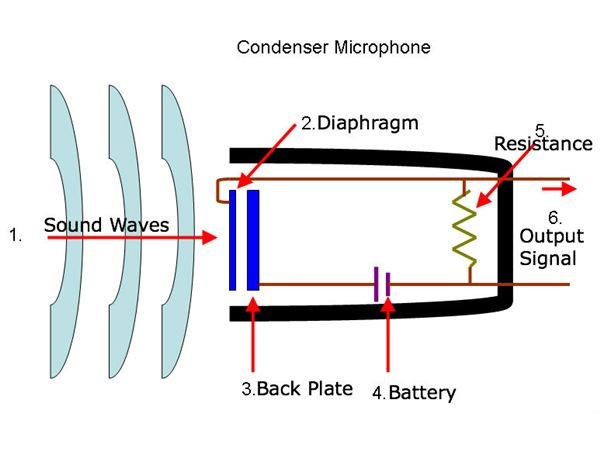
- Condenser Mics: Imagine two thin plates, one fixed, the other super-thin and movable (diaphragm). When sound hits the diaphragm, it changes the distance between the plates, affecting their capacitance. This delicate dance creates an electrical signal. Condenser mics are more sensitive, capturing subtle nuances, but require external power (phantom power) and are more fragile. Think of them as the high-performance sports cars of the mic world.
The Sound Spectrum: Capturing the Essence
- Dynamic Mics: Their robust nature makes them ideal for loud sources like drums, guitar cabinets, and vocals in live settings. They tend to have a warmer, less detailed sound, focusing on the core of the instrument or voice.
- Condenser Mics: Their wide frequency response and high sensitivity capture the full spectrum of sound, from the airy shimmer of cymbals to the delicate breathiness of vocals. They excel in controlled environments like studios, capturing the essence of acoustic instruments, vocals, and even room ambience.
Picking Your Partner: When to Use Each
- Dynamic Mics: Live performances: Their durability and ability to handle high volumes make them perfect for capturing the raw energy of live music. Loud instruments: Drums, guitar amps, and brass instruments benefit from their ability to withstand high sound pressure levels without distortion. Rejection of background noise: Their cardioid or supercardioid polar patterns help focus on the source while minimizing unwanted room noise.

- Condenser Mics: Studio recordings: Their detailed sound reproduction is ideal for capturing the nuances of acoustic instruments, vocals, and even room ambience in controlled environments. Vocals: They can capture the subtle inflections and breathiness of a singer’s voice, adding depth and intimacy to recordings. Multiple polar patterns: Many offer switchable polar patterns for increased versatility, allowing you to tailor the mic’s pickup range to your needs.

Remember: Choosing the right microphone depends on your specific recording needs and desired sound. Experiment, listen closely, and trust your ears to guide you!
Bonus Tip: Don’t be afraid to mix and match! Combining dynamic and condenser mics can create a richer, more complex sound.
Now go forth, armed with this newfound knowledge, and capture the sounds that ignite your creative spark!
Read Next: Which audio interface should you purchase for a home studio. (Beginners)
Ready to upgrade your sound? Visit the OneStopMusic Online Shop for premium guitars, keyboards, and pro audio gear delivered across South Africa. 🇿🇦
Related Articles & Videos
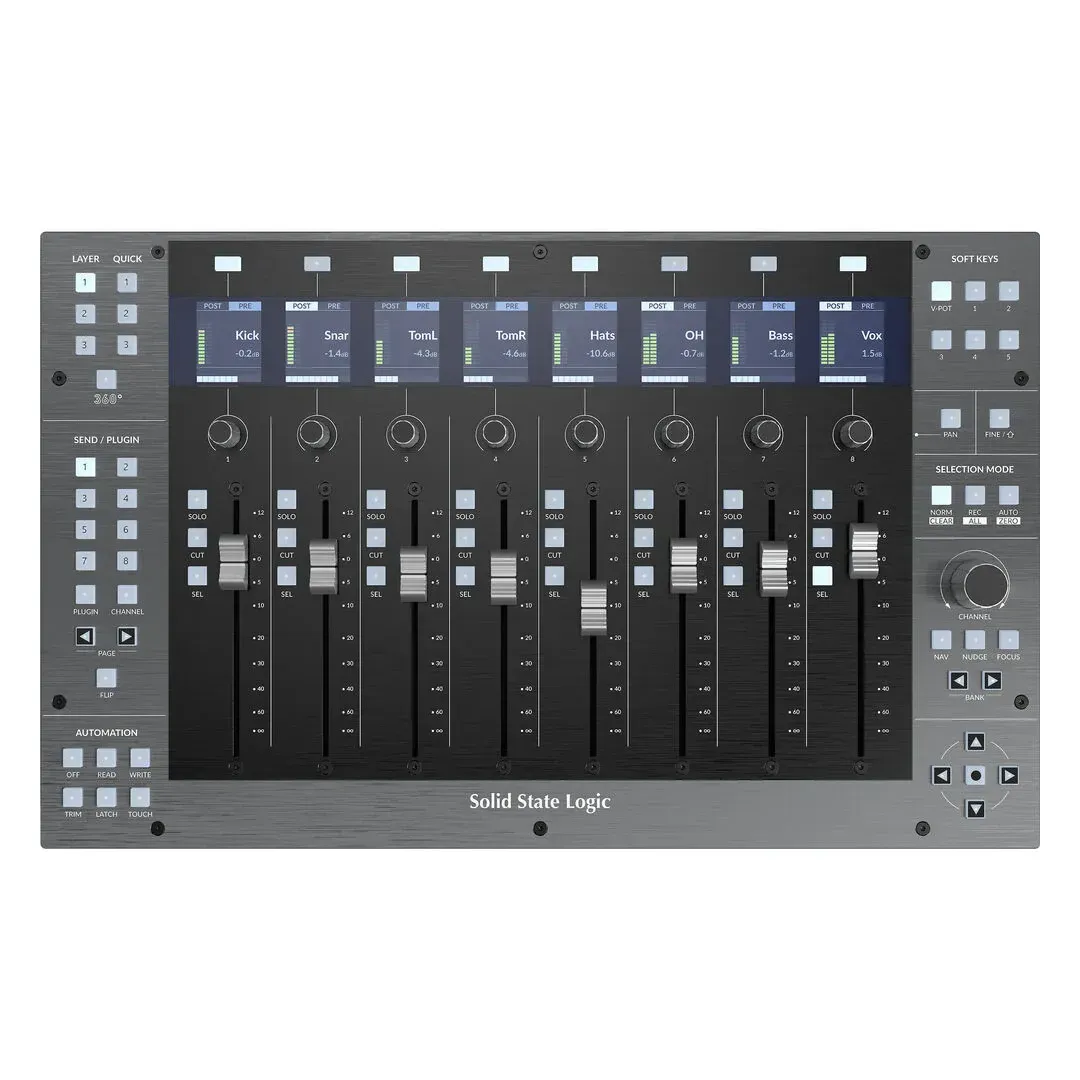
The SSL UF8 and UC1 bring console-style tactile control to your DAW. Here is how to build a professional mixing workflow with SSL's DAW controllers, and how the UF1 fits in.
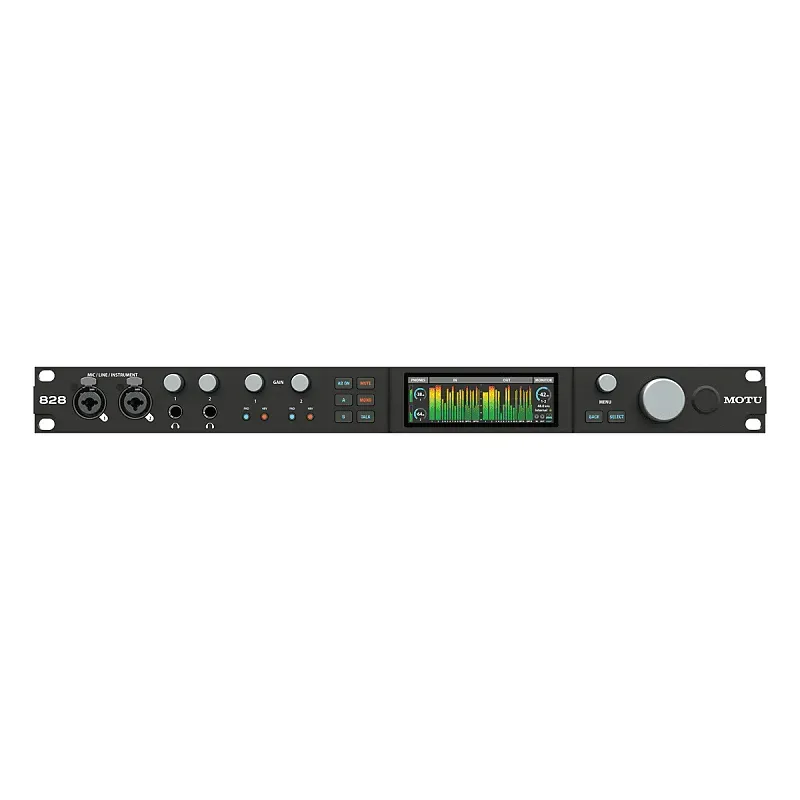
The MOTU 828 and UltraLite Mk5 both offer serious I/O for the money. We compare them, and place the M2, M4, M6, 8pre-es and 16A in the range, so you can pick the right one.
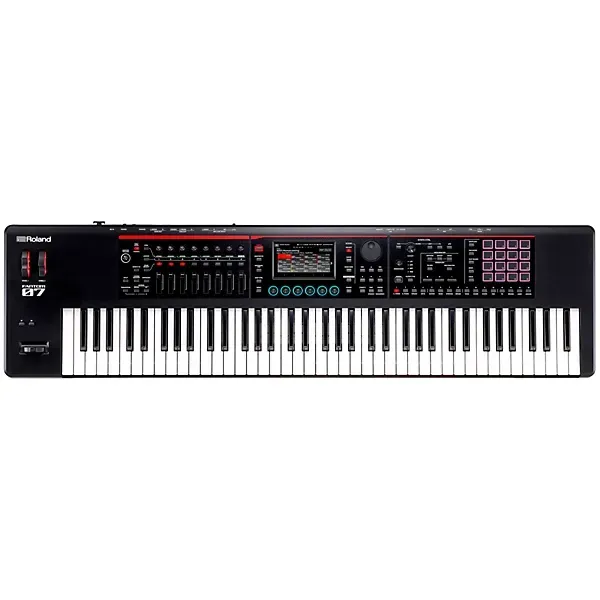
The Roland FANTOM-07 puts a deep synthesis engine, fast touchscreen workflow and real DAW integration into a 76-key instrument. Here is how it holds up, and how to choose between the FANTOM-06, 07 and 08.