
Behringer UB-Xa, Poly D and TD-3: Analog Synths Reviewed
The Behringer UB-Xa, Poly D and TD-3 cover polysynth pads, fat mono bass and acid sequences. We look at what each does best and which to buy first.
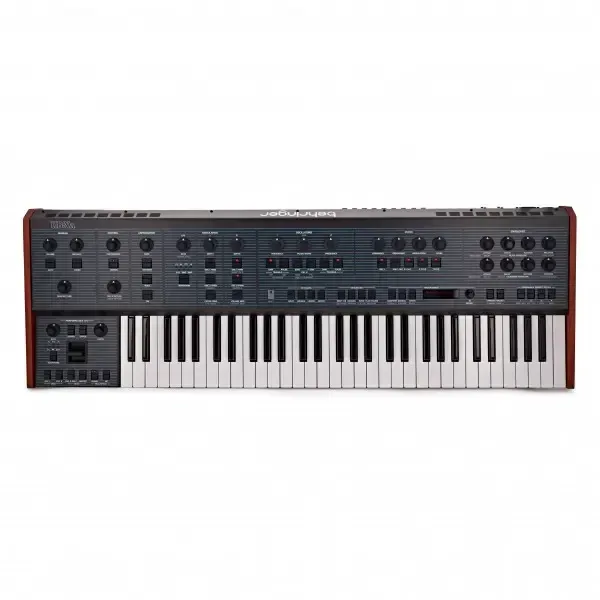
There has never been a better time to buy an analogue synthesizer. The three Behringer instruments below cover a huge amount of ground between them, and none of them costs anything like what you would expect for a genuine analogue polysynth or a classic acid machine.
Behringer UB-Xa: the flagship polysynth
The UB-Xa is a bi-timbral, polyphonic analogue synthesizer - the closest thing to the classic American polysynth sound without paying collector prices. What matters most in practice:
- 16 voices, so you can hold big chords without voice stealing
- Bi-timbral, meaning two independent sounds at once - split or layered
- Analogue oscillators and filters, which is the whole point
- Velocity and aftertouch, so the keyboard responds to playing
For pads, brass, strings and the kind of warm, wide sound that made the originals famous, this is the instrument. It is a big, heavy, serious synth.
If space and budget are tighter, the UB-Xa Mini gives you the same family of sound in a much smaller and cheaper package - fewer keys and fewer voices, but the character is there.
Behringer Poly D: four oscillators, one huge sound
The Poly D is a 37-key paraphonic analogue synthesizer built around the classic ladder filter. It is a mono/paraphonic design rather than a true poly, but it plays chords in a way that suits bass lines, leads and the kind of fat, vintage-sounding parts that sit in a track.
Where the UB-Xa gives you polyphony, the Poly D gives you weight. The oscillators and ladder filter produce a low end that modern digital synths struggle to match, and the built-in effects and sequencer make it playable straight out of the box. For bass, it is one of the best things at the price.
Behringer TD-3: the acid machine
The TD-3 is a recreation of the legendary silver bass line synthesizer, with the 303-style step sequencer and slide and accent behaviour that define the sound of acid house and techno.
What makes it worth owning:
- Genuine analogue signal path, not an emulation
- The original's filter character, which is the entire reason people want one
- 16-step sequencer with slide and accent
- Distortion circuit on the MO versions for harder, more aggressive tones
- Small and cheap enough to buy more than one
If you have never programmed a 303-style sequencer, it takes an evening to understand and a lifetime to get bored of. There is a reason dance music keeps coming back to it.
Which one for which job
| Instrument | Best at |
|---|---|
| UB-Xa | Pads, chords, brass, anything polyphonic |
| Poly D | Bass, leads, fat vintage mono lines |
| TD-3 | Acid bass lines, sequenced dance parts |
They are complementary rather than competing. A UB-Xa for chords, a Poly D for bass and a TD-3 for the sequence is a complete analogue rig.
Shop Behringer synthesizers at OneStopMusic
- Behringer UB-Xa Bi-timbral Polyphonic Analog Synthesizer
- Behringer UB-Xa Mini Analog Polyphonic Synthesizer
- Behringer Poly D Polyphonic 37 Key Analog Synthesizer
- Behringer TD-3-MO-AM Analog Bass Line Synthesizer
- Behringer TD-3-MO Modded Out Analogue Bass Line Synthesizer, Silver
Browse the full range of Behringer products.
Related Articles & Videos
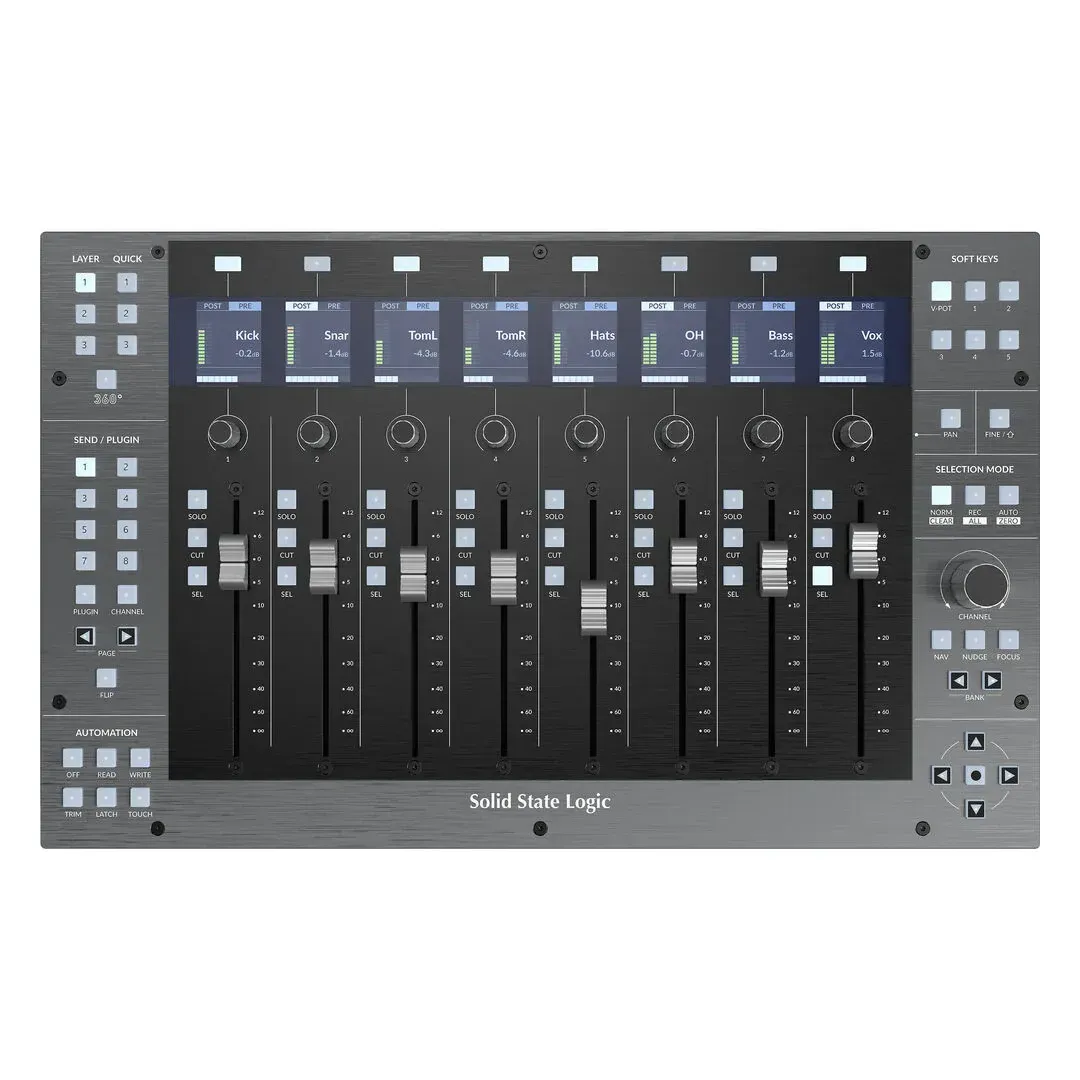
The SSL UF8 and UC1 bring console-style tactile control to your DAW. Here is how to build a professional mixing workflow with SSL's DAW controllers, and how the UF1 fits in.
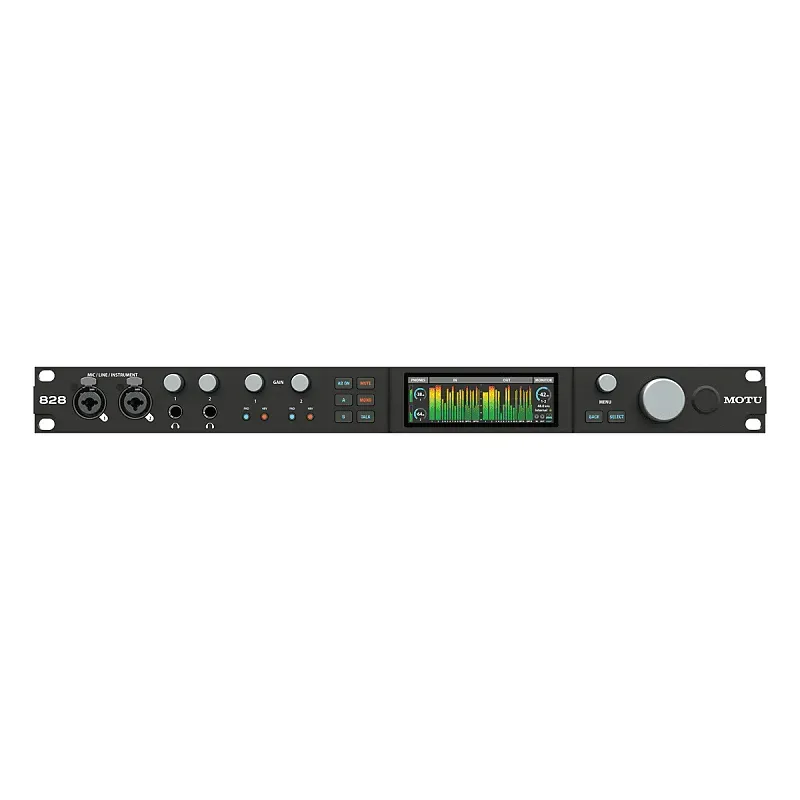
The MOTU 828 and UltraLite Mk5 both offer serious I/O for the money. We compare them, and place the M2, M4, M6, 8pre-es and 16A in the range, so you can pick the right one.
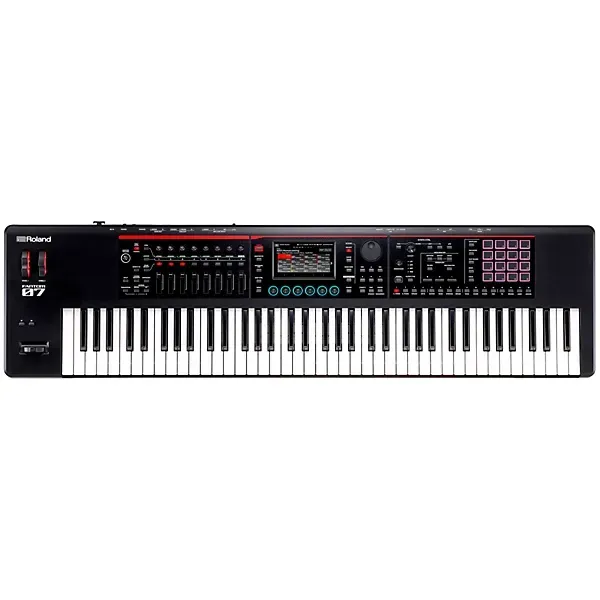
The Roland FANTOM-07 puts a deep synthesis engine, fast touchscreen workflow and real DAW integration into a 76-key instrument. Here is how it holds up, and how to choose between the FANTOM-06, 07 and 08.