
Analog vs Digital Synthesizers: Which Is Right for You?
Warm and hands-on, or versatile and portable? We break down the real trade-offs between analog and digital synths so you can pick with confidence.
The analog-versus-digital debate is as old as synthesis itself. The good news: there is no wrong answer — only the right tool for your music.
The case for analog
Analog synths generate sound from real voltage-controlled oscillators. Players love them for their warm, living character and the immediacy of one-knob-per-function panels.
The case for digital
Digital synths and workstations pack hundreds of sounds, effects and sequencing into a portable, stage-ready package — and they hold their tuning perfectly.
How to choose
- If you want hands-on sound design and character, start analog.
- If you need lots of sounds, portability and value, start digital.
- If you are gigging, a workstation gives you the widest palette in one box.
Many of our customers end up owning one of each — a digital workstation for the set list and an analog mono for the fun.
Come and play the wall of synths in-store, or browse the Piano & Keys department online.
Related Articles & Videos
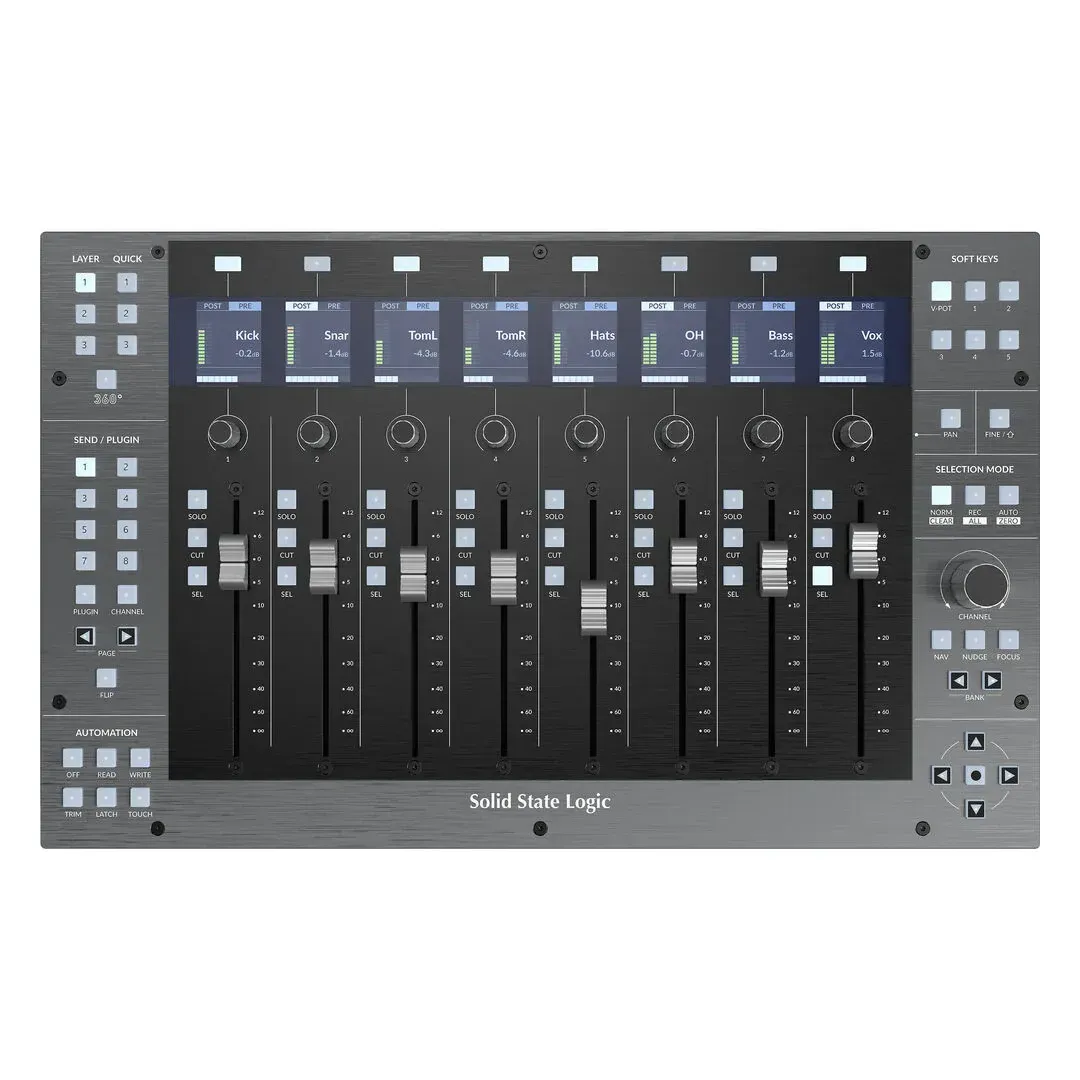
The SSL UF8 and UC1 bring console-style tactile control to your DAW. Here is how to build a professional mixing workflow with SSL's DAW controllers, and how the UF1 fits in.
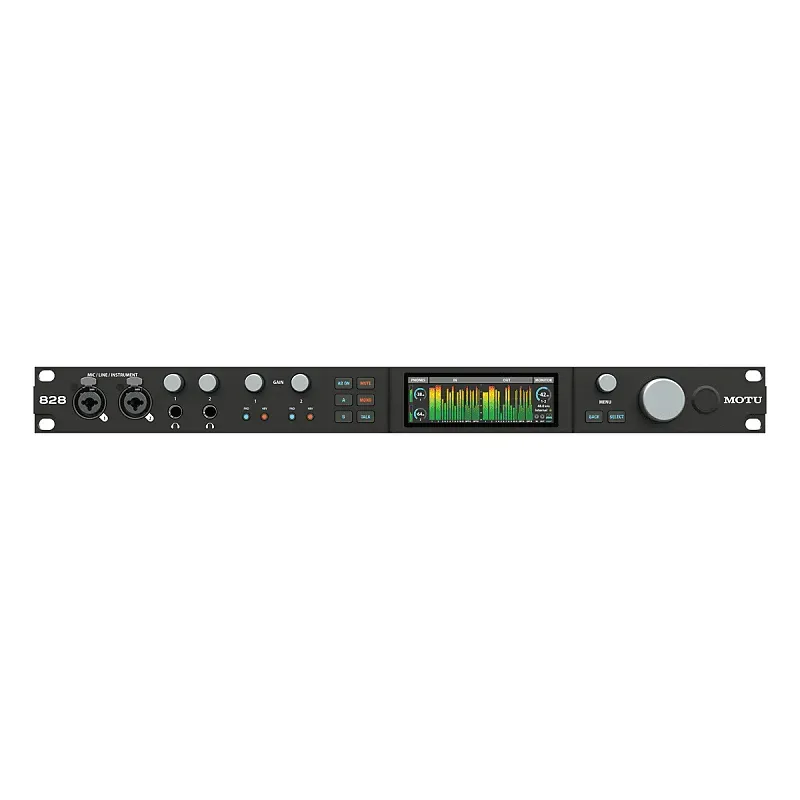
The MOTU 828 and UltraLite Mk5 both offer serious I/O for the money. We compare them, and place the M2, M4, M6, 8pre-es and 16A in the range, so you can pick the right one.
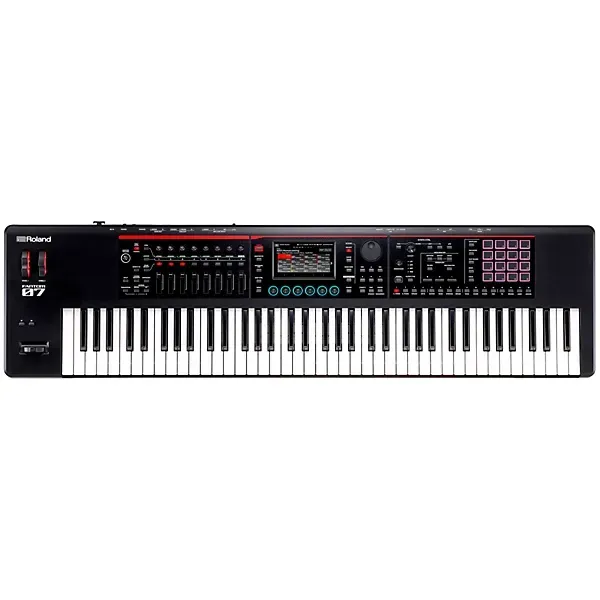
The Roland FANTOM-07 puts a deep synthesis engine, fast touchscreen workflow and real DAW integration into a 76-key instrument. Here is how it holds up, and how to choose between the FANTOM-06, 07 and 08.